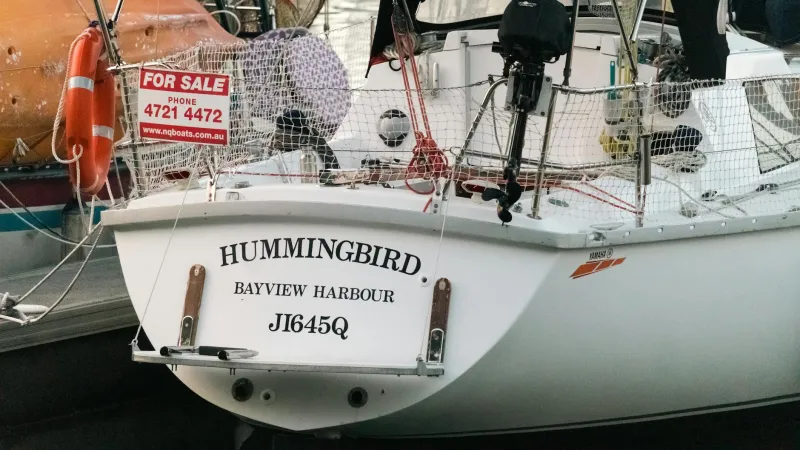
Captain Mike Torres paid $1,200 for a 32-foot fishing boat that retail would cost $180,000. Three years later, his charter fishing business in Key West pulls in six figures annually. His secret? A little-known government auction system that most Americans never discover.
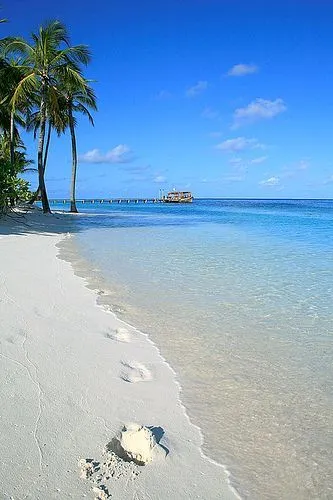 Photo: Key West, via i.pinimg.com
While everyone else shops at boat dealerships, a small community of entrepreneurs has figured out how to buy vessels directly from Uncle Sam — often for less than the cost of a used car.
The Government's Floating Garage Sale
Every year, federal agencies seize thousands of boats through drug busts, customs violations, and unpaid taxes. The Coast Guard, DEA, and Customs Service can't keep them all, so they auction them off to the public. These aren't just dinghies and fishing boats — the inventory includes luxury yachts, commercial fishing vessels, and even former military craft.
"I've seen 60-foot sport fishers go for $25,000," says Torres, who's been working these auctions for over a decade. "Boats that would cost half a million new, selling for the price of a Honda Civic."
The catch? Most people have no idea these auctions exist. Unlike car auctions that get advertised, government boat sales happen quietly through websites like GSA Auctions, All Surplus, and individual agency portals.
Where the Deals Hide
The General Services Administration runs the largest federal auction site, but the real treasures often appear on smaller, agency-specific platforms. The Coast Guard auctions vessels through their own system, while the DEA uses a different contractor entirely.
Lisa Park, who bought a 28-foot cabin cruiser for $3,500 in Seattle, learned this the hard way. "I spent months checking the main government auction sites and found nothing good," she recalls. "Then I discovered the Coast Guard has their own auction platform. Completely different inventory, way better prices."
The best deals often come from regional Coast Guard stations that need to clear dock space quickly. A boat seized in Miami might get auctioned in Jacksonville if that's where it ended up after processing. This geographical scatter means less competition and lower prices.
The Inspection Challenge
Unlike buying from a dealer, these government auctions come with serious limitations. You typically can't sea-trial the boat, and inspections are limited to whatever you can see while it's docked. Some boats have been sitting for months or years, accumulating maintenance issues.
"You're basically buying blind," admits Torres. "I look for solid hulls and decent engines, but I budget for major repairs on every purchase."
Smart buyers focus on boats with problems they can fix themselves. A vessel with dead electronics might scare off casual bidders, but someone handy with wiring could score a major bargain.
Park's cabin cruiser needed $8,000 in engine work, but she still came out ahead. "Even with repairs, I paid $11,500 total for a boat worth $45,000," she says. "Plus I learned a lot about marine engines in the process."
From Bargain to Business
The real opportunity isn't just buying cheap boats — it's turning them into income streams. Torres started with one fishing charter and now operates four boats, all purchased through government auctions. His total investment: under $15,000. His annual revenue: over $300,000.
"The barrier to entry in the marine business is usually the boat cost," Torres explains. "When you can buy a $200,000 charter boat for $5,000, suddenly the math works completely differently."
Other entrepreneurs have built tour companies, water taxis, and diving operations around auction purchases. In tourist destinations like Florida, California, and Hawaii, the demand for marine services far exceeds supply — partly because most people can't afford the startup costs.
The Timing Game
Government auctions follow seasonal patterns that savvy buyers exploit. Winter auctions in northern states often yield better prices because fewer people want to deal with boat storage until spring. Post-hurricane seasons can flood the market with seized vessels, driving prices down.
"I do most of my buying between November and February," says James Wright, who operates a boat rental business in San Diego built entirely around auction purchases. "People aren't thinking about boats when it's cold, so there's less competition."
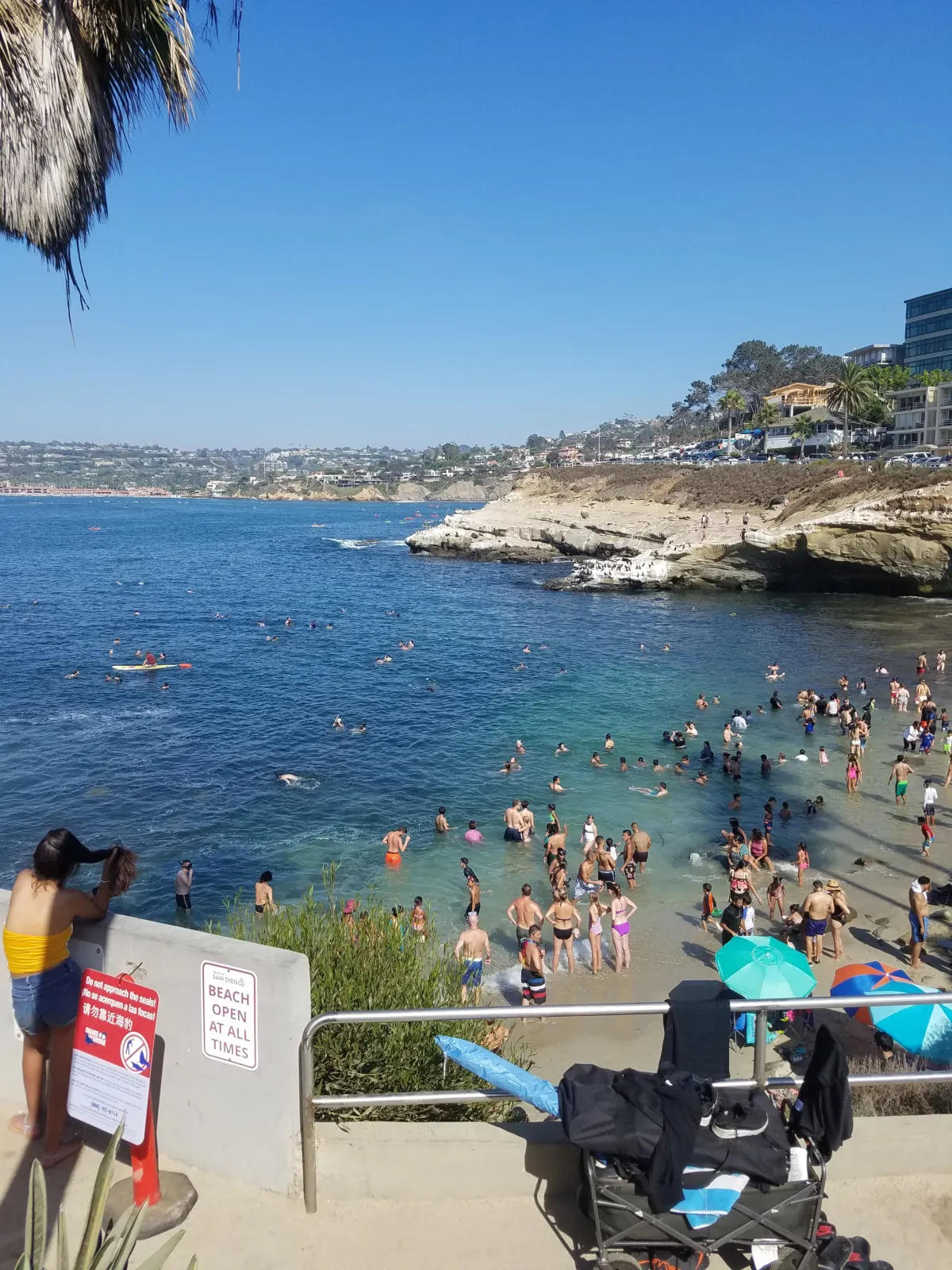 Photo: San Diego, via i0.wp.com
The auction format varies by agency. Some use traditional bidding with set end times, while others employ "soft close" systems that extend bidding if someone places a last-minute bid. Understanding these mechanics can mean the difference between winning and losing a deal.
What to Watch For
Not all government boat auctions are created equal. Experienced buyers avoid vessels seized in drug operations, which often have hidden compartments or modifications that affect seaworthiness. They prefer boats seized for tax issues or customs violations — usually well-maintained vessels from owners who simply made paperwork mistakes.
Location matters enormously. A boat auctioned in Miami will face fierce competition from dealers and charter operators. The same vessel sold in landlocked Kansas might attract only a few bidders willing to handle transportation logistics.
"I once bought a 35-foot sportfisher in Oklahoma for $8,000," Wright recalls. "Shipping it to San Diego cost another $4,000, but I still saved $150,000 compared to buying retail."
The Hidden Marine Economy
This underground economy of government boat sales has created an entire network of entrepreneurs who most Americans never encounter. They're the charter captains offering surprisingly affordable fishing trips, the tour operators with newer boats than their prices suggest, and the diving instructors who somehow afford multiple vessels.
"People always ask how I can offer charter trips so cheaply," Torres says. "They assume I'm cutting corners somewhere. Really, I just know where to shop."
For anyone willing to learn the system, accept some risk, and handle their own repairs, government boat auctions represent one of the last truly asymmetric opportunities in America — a chance to compete with established businesses using insider knowledge instead of deep pockets.