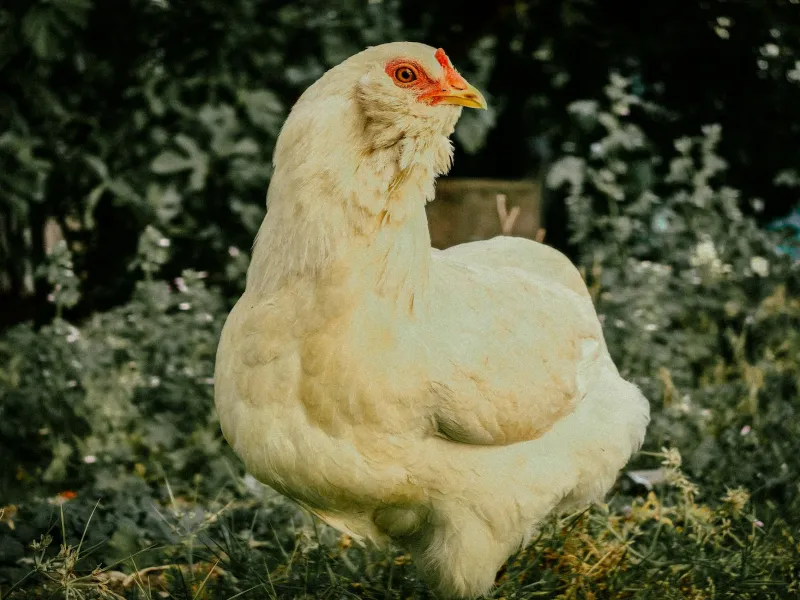
The Backyard Chicken Loophole That's Quietly Cutting Property Tax Bills by 90%
Sarah Mitchell thought she was just being a good neighbor when she started raising six chickens in her half-acre backyard in Collin County, Texas. What she discovered by accident changed her financial life forever.
While chatting with a friend who worked at the county assessor's office, Sarah mentioned her small flock. Her friend's eyes lit up. "You know you can probably get agricultural exemption on that property, right?"
Sarah had never heard of it. Three months later, her annual property tax bill dropped from $4,200 to $340.
The Hidden World of Agricultural Exemptions
Across America, there's a parallel tax universe that most homeowners never discover. While they pay market-rate property taxes on their homes, a growing number of their neighbors are quietly slipping into agricultural classifications that can reduce property tax bills by 80-95%.
The concept is straightforward: land used for farming gets taxed based on its agricultural value, not its market value. A half-acre lot worth $150,000 in a suburban market might only be worth $3,000 as farmland. The tax savings are immediate and dramatic.
What most people don't realize is how accessible these exemptions really are.
The Surprisingly Low Bar for "Farming"
In Texas, you need just five acres and $500 in annual agricultural income. But here's where it gets interesting: that income can come from selling eggs from backyard chickens, honey from a few beehives, or vegetables from a large garden.
Other states are even more generous:
- Georgia: Just two and a half acres and proof of agricultural activity
- Tennessee: As little as 15 acres, but activities can include timber management or beekeeping
- North Carolina: Five acres minimum, but allows "agritourism" activities like farm tours
- Florida: No minimum acreage requirement in some counties for certain agricultural activities
The definitions of "agricultural activity" stretch far beyond what most people imagine. States often include:
- Raising livestock (including chickens, goats, or even llamas)
- Growing crops for sale (including flowers, herbs, or specialty vegetables)
- Timber management
- Beekeeping
- Aquaculture (fish farming)
- Even some wildlife management activities
Real Stories from the Tax Underground
Tom Rodriguez in Williamson County, Texas, started with 12 chickens on his three-acre property. His annual property taxes dropped from $6,800 to $680. "I was literally saving money by giving away eggs to neighbors," he laughs.
In Georgia, Maria Santos qualified for agricultural exemption by selling herbs and vegetables from her large backyard garden. Her annual sales of $800 qualified her for a tax reduction that saves her $3,200 per year.
Perhaps most surprising is the story of the Johnson family in Tennessee, who qualified for agricultural exemption by managing the timber on their 20-acre property. They don't actively farm anything—they just follow a state-approved timber management plan and occasionally thin their woods.
The Application Process Most People Never Attempt
The biggest barrier isn't qualification—it's knowledge. Most county assessor offices receive surprisingly few applications for agricultural exemptions from small landowners, simply because people don't know they exist.
The typical process involves:
- Proving agricultural activity: Usually requires basic documentation of farming activities and income
- Meeting minimum requirements: Varies by state and county
- Annual renewal: Most exemptions require yearly documentation
- Site inspection: Some counties conduct basic inspections to verify activities
"We probably approve 80% of the applications we receive," says Linda Carter, who processes agricultural exemptions for a county in North Texas. "The biggest challenge is that people assume they don't qualify, so they never apply."
The Fine Print and Potential Pitfalls
These exemptions aren't without strings attached. Most states have "rollback" provisions—if you stop farming or sell the property for development, you may owe back taxes for several years.
There are also legitimate agricultural activity requirements. You can't just claim to be farming—you need to demonstrate actual agricultural production, even if it's small-scale.
Some states also have additional requirements like agricultural management plans or minimum production levels that must be maintained year over year.
Why This Stays Under the Radar
County assessors' offices generally don't advertise these programs heavily. They're not trying to hide them, but they're also not actively encouraging applications that will reduce their tax base.
Most tax professionals focus on income tax strategies rather than property tax exemptions, so even people with financial advisors often never hear about these opportunities.
The result is a system where knowledge spreads mainly through word-of-mouth in rural and semi-rural communities, while suburban homeowners who might qualify remain completely unaware.
The Broader Implications
What started as policy to support commercial farming has quietly become accessible to a much broader group of landowners. As more people discover these exemptions, some counties are tightening requirements or raising minimum thresholds.
But for now, the opportunities remain largely untapped. Millions of American homeowners with larger lots continue paying full market-rate property taxes while potentially qualifying for agricultural rates that could cut their bills by thousands of dollars annually.
The key is knowing where to look—and having the courage to ask your county assessor a simple question: "What would it take for my property to qualify for agricultural exemption?"
The answer might surprise you.