
In the depths of 1932, while banks collapsed across America and unemployment soared past 25%, the residents of Hawarden, Iowa, did something remarkable: they printed their own money. What started as a desperate attempt to keep their local economy breathing became one of the most successful monetary experiments in American history.
 Photo: Hawarden, Iowa, via img.p.mapq.st
The story of Hawarden's scrip currency reveals a forgotten chapter of American ingenuity — and offers surprising lessons for modern communities grappling with economic uncertainty.
When Dollars Disappeared
By 1932, Hawarden faced the same crisis devastating small towns nationwide. The local bank had failed, taking most residents' savings with it. Federal currency had essentially vanished from circulation as people hoarded what little cash remained. Businesses couldn't make change, workers couldn't get paid, and the local economy ground to a halt.
But Hawarden had something most towns lacked: Dr. Francis Townsend, a local physician with an unusual understanding of monetary theory. Townsend had watched similar scrip experiments succeed in European communities during World War I. He convinced the town council that Hawarden could create its own temporary currency to bridge the crisis.
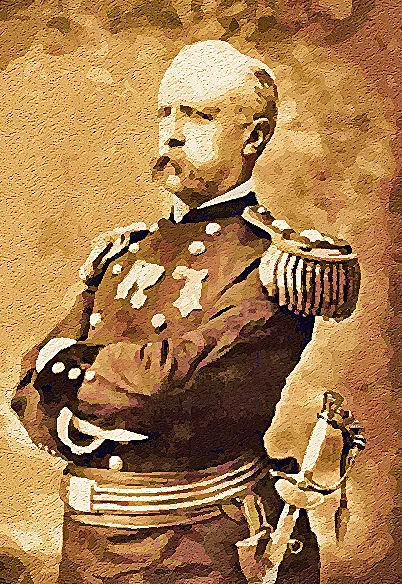 Photo: Dr. Francis Townsend, via images-wixmp-ed30a86b8c4ca887773594c2.wixmp.com
The Mechanics of Homemade Money
Hawarden's scrip wasn't just printed paper — it was backed by a sophisticated system that ensured its value and circulation.
The town issued certificates in denominations from 25 cents to $5, each backed by a combination of local assets: municipal bonds, property tax receivables, and pledges from local businesses to accept the scrip at face value. This backing gave the currency real purchasing power within the community.
More cleverly, the scrip included a built-in circulation mechanism. Each note required a small stamp purchased from the city clerk every time it changed hands. This "demurrage" fee — typically 2 cents per transaction — created an incentive to spend rather than hoard the money, keeping it moving through the local economy.
The stamps served dual purposes: they generated revenue for the city government and prevented the scrip from being hoarded like federal currency was during the crisis.
The Unexpected Success
What happened next surprised everyone, including Dr. Townsend. The local economy didn't just stabilize — it thrived.
Within months, Hawarden's unemployment rate dropped to near zero while neighboring towns continued to struggle. Local businesses reported sales increases of 30-40% compared to pre-scrip levels. The reason was simple: money was moving again.
Unlike federal dollars, which people hoarded out of fear, Hawarden scrip had to keep circulating to avoid the stamp fees. This created a velocity of money that economists today recognize as crucial for economic health. Every dollar of scrip generated multiple dollars of economic activity as it moved from person to person.
Local farmer John Hansen later recalled: "We went from not being able to buy seed for spring planting to having the busiest harvest season anyone could remember. The money just kept moving around town, and everyone benefited."
The Network Effect
Hawarden's success sparked imitators across the Midwest. By 1933, over 300 American communities had launched similar local currency experiments. The scrip systems created informal trading networks between towns, with some currencies being accepted in multiple communities.
These networks demonstrated something modern economists are rediscovering: local currencies can create economic resilience by keeping wealth circulating within communities rather than being extracted by distant financial centers.
The Federal Reserve took notice. Internal documents from 1933 show concern that successful local currencies might undermine federal monetary policy. This worry would soon prove prescient.
The Government Intervention
By 1934, the national economy was beginning to recover, and federal authorities moved to shut down local currency experiments. New regulations prohibited communities from issuing their own money, effectively ending the scrip movement.
But in Hawarden, residents resisted. The scrip had worked so well that many preferred it to federal currency. Town meetings in 1934 and 1935 featured heated debates about whether to voluntarily abandon the local money.
Eventually, federal pressure prevailed, but not before Hawarden had demonstrated that communities could successfully manage their own monetary systems. The last Hawarden scrip was retired in late 1935, ending a three-year experiment that had transformed the town's economic prospects.
Modern Echoes
Hawarden's success seems almost quaint today, but similar principles are quietly reshaping American commerce in unexpected ways.
Local gift card networks function much like Depression-era scrip. Communities from Ithaca, New York, to Madison, Wisconsin, have created local currency systems that keep spending within the community. These modern versions often exist as smartphone apps rather than paper certificates, but the underlying economics remain the same.
 Photo: Ithaca, New York, via www.travelandleisure.com
Time banking has emerged as another form of local currency, with participants earning credits for services provided to neighbors. These credits can only be spent within the local network, creating the same circulation benefits Hawarden discovered.
Community-supported agriculture (CSA) programs create closed-loop economic systems where consumers prepay for farm products, providing farmers with upfront capital while guaranteeing local food circulation.
Local business loyalty networks aggregate independent merchants into shared reward systems, creating incentives for residents to shop locally rather than with national chains.
The Lessons That Last
Hawarden's experiment revealed several principles that remain relevant today:
Money velocity matters more than money supply. A smaller amount of currency that circulates rapidly can generate more economic activity than larger amounts that sit idle.
Local backing creates local value. Currencies backed by community assets and accepted by local businesses can maintain value even when national currencies struggle.
Circulation incentives work. Systems that discourage hoarding keep money moving and economies active.
Community control enables rapid response. Local monetary systems can adapt quickly to changing conditions without waiting for distant bureaucracies.
These insights have found new applications in everything from cryptocurrency projects to corporate reward programs.
The Forgotten Innovation
Most Americans have never heard of Hawarden's monetary experiment, despite its remarkable success. The story disappeared from history books partly because it challenged conventional wisdom about monetary policy and partly because federal authorities preferred to forget that communities had successfully operated without federal currency.
But the principles Hawarden discovered — that local currencies can create economic resilience and that circulation matters more than accumulation — are being rediscovered by communities across America today.
In an era of economic uncertainty and growing interest in local resilience, Hawarden's three-year experiment offers a blueprint for communities willing to think creatively about money and commerce. The small Iowa town that printed its way out of the Great Depression proved that sometimes the most effective solutions come from the ground up, not from Washington down.