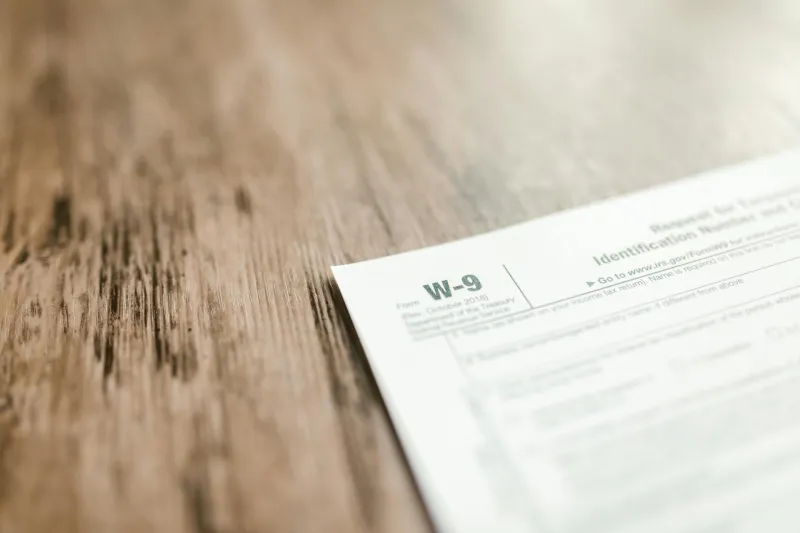
Every year, thousands of American families unknowingly forfeit millions of dollars in estate tax savings because they've never heard of something called "portability election." It's not their fault — even many estate attorneys miss this deadline.
The $12 Million Question Most Families Never Ask
When someone dies, their estate gets a federal tax exemption — currently $12.92 million per person in 2023. If they don't use the full amount, that leftover exemption typically just disappears. But there's a catch that most people never discover: surviving spouses can actually claim that unused portion for themselves.
Here's where it gets interesting. Let's say your spouse passes away and only used $2 million of their $12.92 million exemption. Through portability election, you can claim the remaining $10.92 million on top of your own $12.92 million exemption. Suddenly, you can pass nearly $24 million to your heirs completely tax-free.
The problem? You have to know to ask for it, and you have exactly nine months to file the paperwork.
The Form Nobody Talks About
The magic happens through IRS Form 706 — the estate tax return. Most estates never need to file this form because they fall well under the exemption threshold. But here's the twist: even if the deceased's estate owes zero taxes, filing Form 706 within nine months of death is the only way to preserve that unused exemption for the surviving spouse.
Tax attorney Sarah Chen from Portland discovered this the hard way. "I had clients who lost out on $8 million in exemptions because nobody told them about the nine-month deadline," she explains. "The estate was worth $3 million, so they figured they didn't need to file anything. Years later, when the surviving spouse remarried and wanted to do some estate planning, we realized what we'd missed."
 Photo: Sarah Chen, via onecms-res.cloudinary.com
The IRS doesn't send reminders. There's no grace period. Miss the deadline, and that exemption vanishes forever.
Why This Stays Hidden
Several factors keep portability election in the shadows. First, many families assume that if they don't owe estate taxes, they don't need to file anything. Second, the nine-month timeline often coincides with the most difficult period of grief, when legal paperwork feels overwhelming.
Third, not all attorneys specialize in estate tax law. A general practice lawyer handling probate might not even know about portability election. "I see this mistake constantly," says estate planner Michael Rodriguez from Phoenix. "Attorneys who don't work with high-net-worth families regularly just aren't familiar with these advanced strategies."
 Photo: Michael Rodriguez, via www.michaelrodriguezpsyd.com
Even when families do learn about it, the filing requirements can seem daunting. Form 706 runs 37 pages and requires detailed asset valuations. Many people look at it and decide it's not worth the hassle — not realizing they're potentially giving up millions in future tax savings.
Who Should Pay Attention
You might think this only matters for wealthy families, but that's not necessarily true. Consider a couple where each spouse has retirement accounts, life insurance, and a family home. Today their combined estate might be worth $2 million. But with decades of potential growth ahead, those assets could easily exceed the exemption threshold by the time the second spouse dies.
"I tell all my clients to file for portability election, regardless of current estate value," Rodriguez explains. "You never know how assets will grow, and the exemption amounts could change with future legislation."
The strategy becomes especially valuable for blended families or situations where the surviving spouse might remarry. Without portability election, any new marriage would mean starting over with just one exemption amount.
The Real Cost of Missing Out
Estate taxes kick in at 40% on amounts above the exemption. So if a family misses out on claiming a deceased spouse's $10 million unused exemption, their heirs could eventually face $4 million in unnecessary taxes.
Consider the Johnson family from Ohio. When David Johnson died in 2015, his estate was worth $1.5 million — well below the exemption threshold. His widow, Margaret, never filed Form 706 because nobody mentioned portability election. By 2023, Margaret's assets had grown to $18 million through smart investments and business income. Without David's unused exemption, her heirs will face estate taxes on roughly $5 million of that wealth.
"It's heartbreaking when I have to explain to families what they missed," Chen says. "The paperwork might have cost them $3,000 to file properly. Now their kids are looking at a $2 million tax bill."
Making It Work for Your Family
The key is planning ahead and working with professionals who understand these rules. When a spouse dies, the surviving partner should immediately ask their attorney about portability election — even if the estate seems too small to worry about.
The filing deadline is typically nine months from the date of death, but it can be extended to 15 months in certain circumstances. The IRS also allows late elections in some cases, though the requirements are strict and the process is complicated.
"Don't assume you don't need this because your estate is small today," Rodriguez advises. "Asset values change, exemption amounts change, and family situations change. Portability election gives you options you might desperately need decades from now."
For many American families, this obscure form represents the difference between passing wealth to the next generation and handing a fortune to the IRS instead. The tragedy is how few people ever find out it exists until it's too late.