The Farm Tax Break That Doesn't Actually Require Farming — How Americans Use Livestock Deductions Without Ever Selling Anything
Most Americans assume you need to be knee-deep in commercial agriculture to access farm tax breaks. They're wrong. Buried in the tax code is a provision that lets certain property owners claim legitimate business deductions for livestock — even if those animals never generate a penny of income.
The secret lies in understanding how the IRS defines "profit motive" versus actual profit. And once you know the rules, the possibilities become surprisingly broad.
The Profit Motive Loophole
The IRS doesn't require your farm operation to be profitable. It just needs to demonstrate a genuine intention to make money "someday." This distinction has created an unexpected opportunity for Americans with enough land to house livestock.
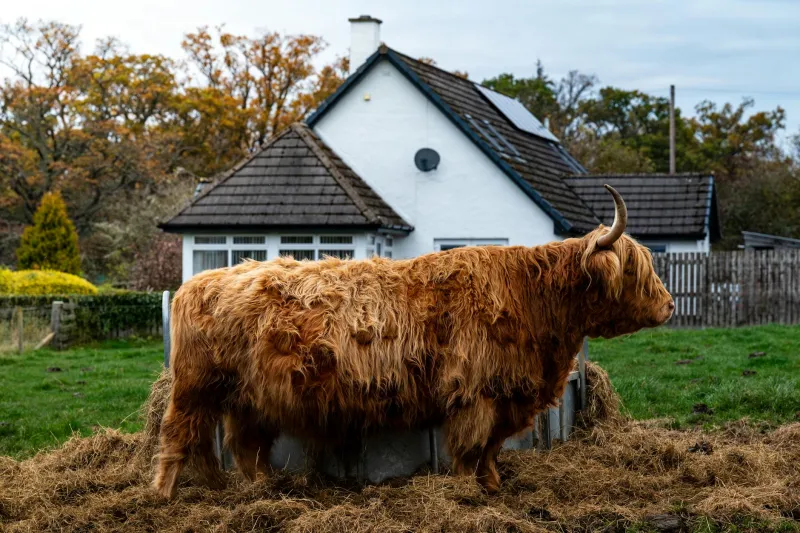
Consider the case of Sarah Mitchell, a marketing executive in rural Virginia. She owns 12 acres and keeps a small herd of Highland cattle. She's never sold a single animal, but she's been claiming thousands in annual deductions for feed, veterinary care, and equipment for three years running.
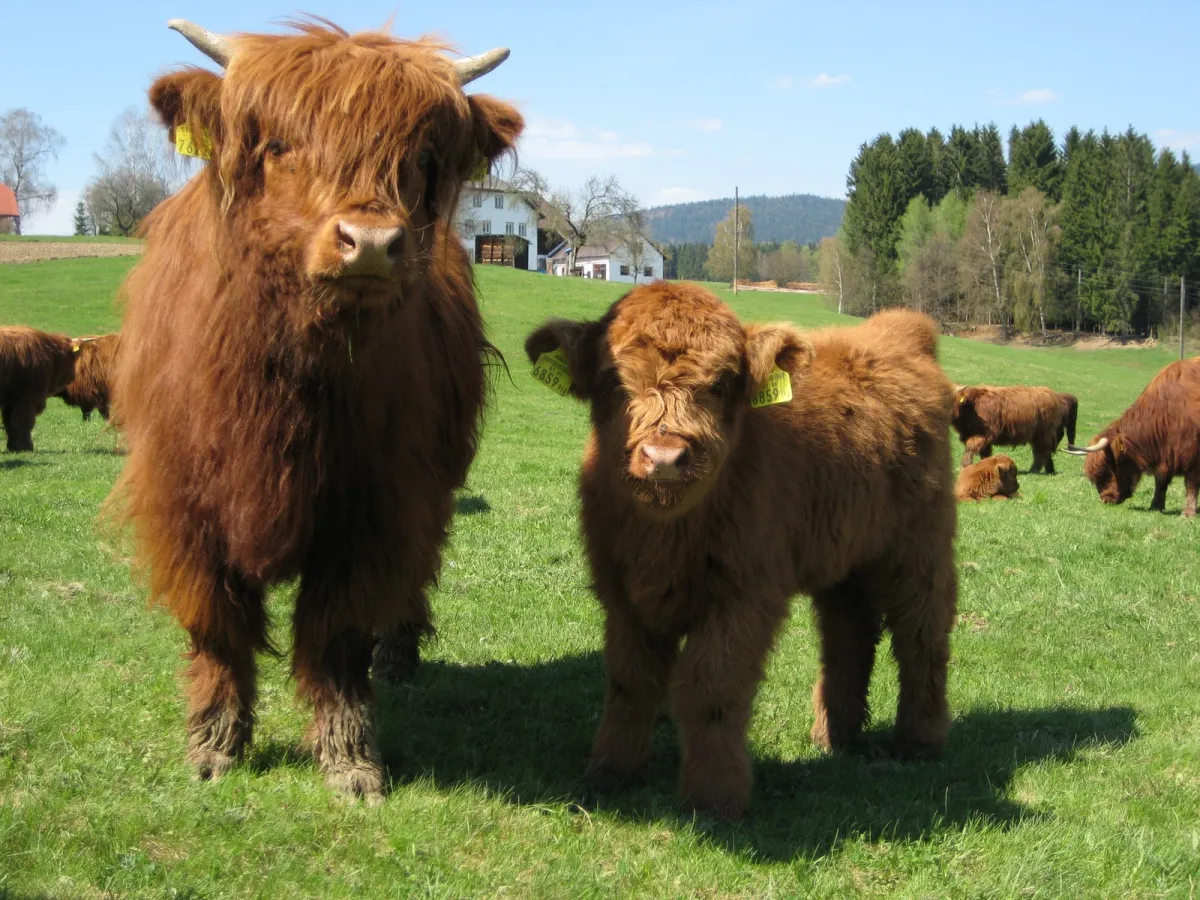 Photo: Highland cattle, via lh5.googleusercontent.com
How? She maintains detailed records showing her intent to eventually breed and sell cattle. She attends livestock auctions, keeps breeding charts, and documents market research. The IRS considers this sufficient evidence of profit motive, even without actual sales.
The Nine-Factor Test
The IRS uses nine factors to distinguish legitimate agricultural businesses from hobby farms. You don't need to satisfy all nine — just enough to demonstrate business intent:
- Business-like records: Detailed financial tracking and operational logs
- Time and effort invested: Regular, substantial involvement in the operation
- Expertise: Knowledge of livestock management or willingness to learn
- Previous success: In this or related ventures (but not required)
- Profit history: Any years showing profit help, but losses are acceptable
- Income from other sources: Having a day job doesn't disqualify you
- Recreation vs. business: The operation shouldn't be primarily for pleasure
- Elements of personal pleasure: Some enjoyment is fine, just not the primary purpose
- Financial status: Your overall financial situation
The beauty of this system is that many suburban and rural Americans already meet several criteria without realizing it.
Beyond Cattle: The Livestock Menu
Cattle aren't your only option. The tax code covers virtually any livestock with commercial potential:
Sheep and goats require less space and can graze areas too steep or rough for cattle. A small flock can justify significant deductions while providing natural brush control.
Heritage breed chickens command premium prices at farmers markets. Even a modest flock can support claims of profit motive while requiring minimal space.
Alpacas and llamas have dedicated niche markets for fiber and breeding stock. Their calm temperament makes them suitable for smaller properties.
Pigs grow quickly and can be profitable on small acreage, though local zoning may be restrictive.
The key is choosing animals appropriate for your land and demonstrating genuine business planning around them.
The Documentation Game
Success with this strategy depends entirely on documentation. The IRS wants to see evidence that you're running a business, not playing with expensive pets.
Financial records should track every expense and any income, no matter how small. Use business accounting software or at minimum, a dedicated spreadsheet.
Operational logs document daily care, breeding attempts, health issues, and management decisions. This shows ongoing business activity.
Market research proves you understand your industry. Save livestock auction reports, breed association newsletters, and pricing studies.
Business plans outline your path to profitability. They don't need to be elaborate, but should show thoughtful planning.
Professional development records — workshops attended, books purchased, consultations with livestock experts — demonstrate your commitment to learning the business.
The Deduction Opportunity
Qualifying livestock operations can claim substantial deductions:
- Feed and supplements
- Veterinary care and medications
- Breeding fees
- Equipment and infrastructure
- Truck expenses for livestock transport
- Professional services (veterinarians, nutritionists)
- Educational materials and workshop fees
- Insurance premiums
- Property taxes on agricultural land
These deductions apply against your total income, not just farm income. For someone in the 24% tax bracket, every $1,000 in legitimate farm expenses saves $240 in taxes.
The Timing Strategy
Smart operators plan their livestock investments around their tax situation. High-income years might trigger equipment purchases or infrastructure improvements. Years with lower income might focus on maintaining the operation with minimal new investments.
Some landowners cycle their livestock operations, running them actively for several years to establish business legitimacy, then scaling back during busy career periods.
Modern Applications
This isn't just about traditional farming. Creative Americans have found ways to blend livestock operations with other land uses:
Agritourism operations combine livestock with educational tours or farm stays.
Conservation grazing services rent animals to municipalities or conservation groups for land management.
Specialty breeding focuses on rare or heritage breeds with dedicated collector markets.
Fiber operations raise animals primarily for wool, mohair, or alpaca fiber rather than meat.
Each approach can support legitimate business deductions while serving multiple purposes on the property.
The Risk Reality
This strategy isn't without risks. The IRS occasionally audits agricultural operations, especially those showing consistent losses. However, well-documented operations with clear business intent typically survive scrutiny.
The key is genuine business purpose. If you're buying animals primarily for tax benefits, you're likely to fail an audit. But if you're genuinely interested in livestock and willing to put in the work, the tax benefits can be substantial.
The oldest preferential treatment in the American tax code remains one of the most overlooked. Most Americans will never discover that you don't need to be a full-time rancher to access agricultural tax benefits — you just need to understand the rules and document your business intent.
For property owners with adequate land and genuine interest in livestock, this provision offers a legitimate path to significant tax savings. The animals don't need to turn a profit. They just need to represent a genuine attempt at building a profitable business.