The Government's Best-Kept Conservation Secret
Somewhere in rural Minnesota, Sarah Chen gets a check for $3,200 every year. She doesn't grow corn, raise cattle, or run any kind of farm operation. In fact, she does absolutely nothing with her 12 acres — and that's exactly why the government pays her.
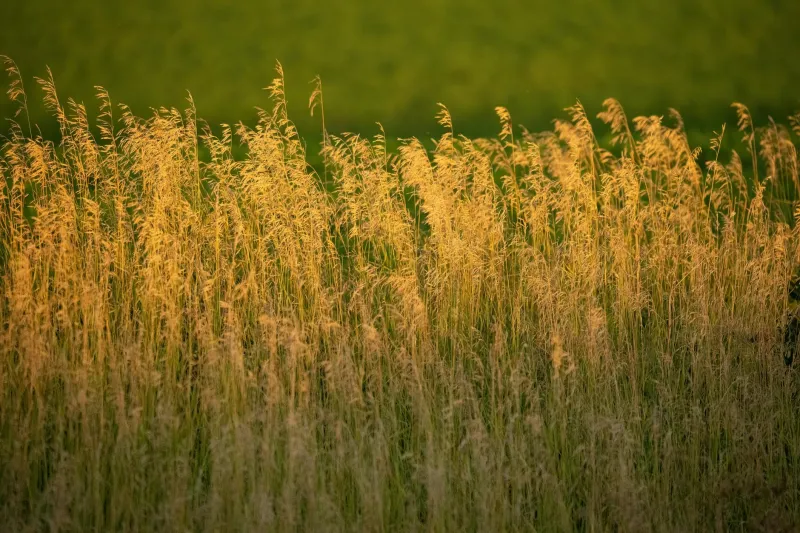
Chen is part of the Conservation Reserve Program (CRP), a federal initiative that most Americans have never heard of, despite the fact that it's quietly distributed over $60 billion since 1985. While her neighbors spend weekends mowing lawns and maintaining pristine landscapes, Chen lets native grasses grow wild and watches her bank account grow along with them.
How America Started Paying People to Do Nothing
The CRP emerged from an unlikely place: the farm crisis of the 1980s. Farmers were going bankrupt, soil was eroding at catastrophic rates, and agricultural overproduction was driving down crop prices. Instead of another subsidy program, Congress created something different — a system that paid farmers to stop farming their most environmentally sensitive land.
The concept was revolutionary. Take fragile farmland out of production, let it return to grassland or forest, and the government would send annual rental payments for 10 to 15 years. It was conservation through capitalism, and it worked better than anyone expected.
What most people don't realize is how broadly "farmland" gets defined. The program doesn't just target massive agricultural operations in Iowa or Kansas. Any land that was previously used for crop production — even decades ago — potentially qualifies. That includes surprising places: suburban lots that were once part of larger farms, inherited rural property that hasn't been farmed in years, and even some residential acreage on the outskirts of cities.
The Suburban Loophole Nobody Talks About
Here's where it gets interesting for non-farmers. CRP enrollment isn't limited by current land use — it's based on historical use and environmental benefit. Property that seems residential today might have agricultural history that makes it eligible.
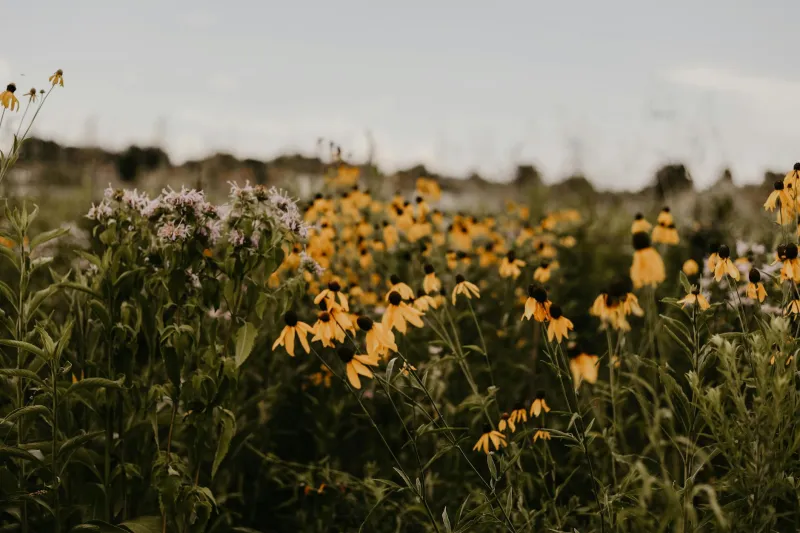
Take the case of Mark Rodriguez in suburban Austin. When his grandmother left him 8 acres on the city's expanding edge, he assumed his only options were development or expensive maintenance. Then a neighbor mentioned that the land had been used for cotton farming until the 1970s. Rodriguez applied for CRP enrollment and now receives $1,800 annually while native Texas wildflowers slowly reclaim what was once farmland.
The eligibility criteria create surprising opportunities:
- Historical crop use: Land doesn't need to be currently farmed, just previously used for agriculture
- Minimum acreage: While most enrollments are larger, some programs accept parcels as small as one acre
- Environmental benefit: Properties near waterways, in flood plains, or with erosion issues get priority
- Buffer zones: Land adjacent to streams, wetlands, or other sensitive areas often qualifies
The Payment Structure That Rewards Patience
CRP payments aren't token amounts. The USDA calculates rental rates based on local land values, soil productivity, and environmental benefits. In some areas, payments exceed $300 per acre annually. For a 10-acre parcel, that's $3,000 per year for doing essentially nothing.
The contracts typically run 10 to 15 years, with payments made annually. Property owners can't hunt, farm, or significantly disturb enrolled land, but they can enjoy wildlife watching, photography, and the satisfaction of environmental stewardship. Some participants describe it as getting paid to have a nature preserve in their backyard.
Why Your Real Estate Agent Never Mentions This
Despite decades of operation, CRP remains remarkably unknown outside agricultural communities. Real estate professionals rarely mention it, financial advisors don't include it in land-use discussions, and most property owners never investigate whether their land might qualify.
Part of this invisibility stems from the program's agricultural origins. It's administered through USDA county offices that primarily serve farmers, using terminology and processes that can feel foreign to suburban property owners. The application process involves soil surveys, conservation plans, and environmental assessments — bureaucratic steps that discourage casual inquiry.
But the bigger reason might be cultural. Americans are conditioned to see land use in terms of development, farming, or maintenance. The idea of getting paid to let property "go wild" challenges assumptions about productivity and property value.
The Modern Revival
Recent changes have made CRP more accessible to small landowners. New programs target specific environmental goals — pollinator habitat, carbon sequestration, water quality improvement — that don't require traditional agricultural history. The 2018 Farm Bill expanded opportunities for what the USDA calls "working lands" conservation.
Climate change concerns are driving renewed interest. Carbon credit markets are developing alongside CRP payments, potentially creating multiple income streams from the same conservation practices. Some property owners are discovering they can earn more from conservation payments than from traditional land use.
The Discovery Process
For curious landowners, the investigation starts at the local USDA Service Center. County offices maintain detailed soil maps, agricultural history records, and environmental sensitivity data. A simple conversation can reveal whether property has hidden conservation potential.
The key questions to ask:
- Was this land ever used for crop production?
- Are there environmental features (wetlands, streams, slopes) that might qualify for special programs?
- What are current rental rates for similar land in conservation programs?
- Are there upcoming enrollment periods for relevant CRP initiatives?
The Quiet Revolution
While most Americans focus on traditional investments — stocks, bonds, real estate development — a small but growing group has discovered that sometimes the most profitable strategy is strategic inaction. They're getting paid by the federal government to let their land return to nature, creating wildlife habitat while generating steady income.
It's a reminder that the most valuable opportunities often hide in plain sight, buried in government programs that few people think to investigate. Sometimes the best way to make money from land isn't to develop it, farm it, or improve it — it's simply to let it be.