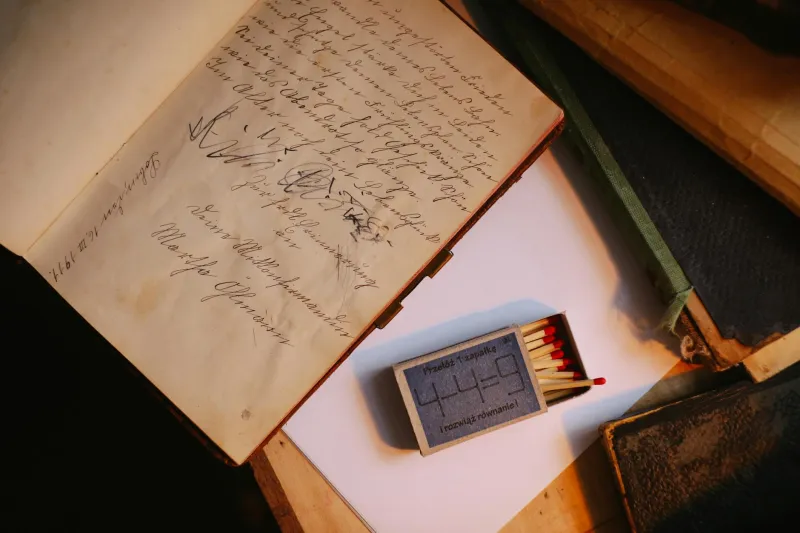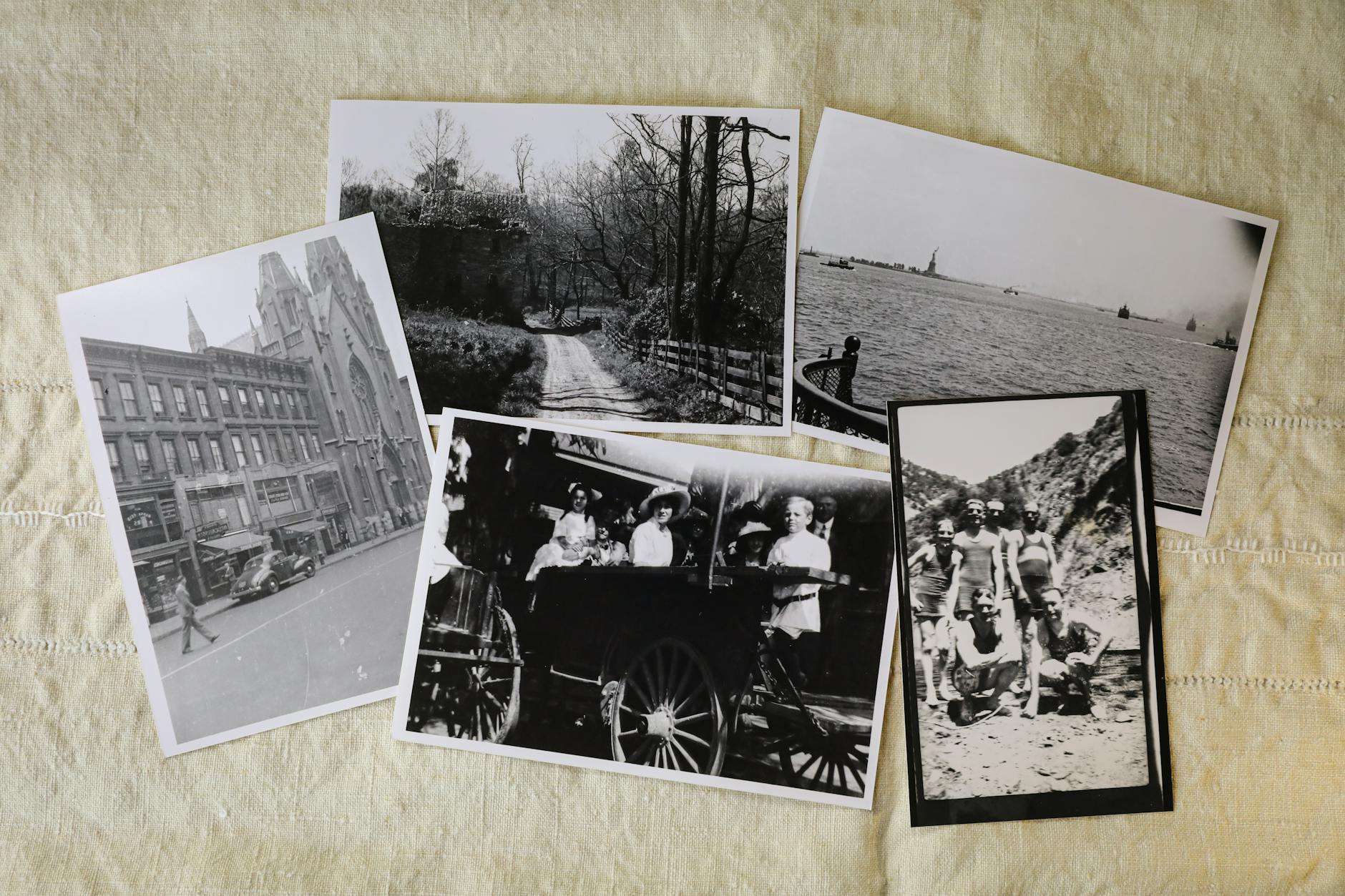
Somewhere in a box in an attic or a drawer in a farmhouse, there's probably an old coffee can. Maybe it belonged to a grandparent or a great-aunt. Maybe the family story is a little vague about what it was actually for.
There's a decent chance it was a bank.
For the generation that lived through the Great Depression, the idea of trusting a financial institution with your money wasn't just uncomfortable — it was something they had watched destroy their neighbors. Between 1930 and 1933, more than 9,000 American banks failed. People who had done everything right, saved dutifully, lived modestly, woke up one morning to find their life savings simply gone. No FDIC. No bailout. Just gone.
What came out of that trauma was a generation of deeply unconventional financial habits — creative, hyperlocal, sometimes eccentric — that most people today have never heard of. And quietly, in corners of the internet that don't get a lot of mainstream coverage, a small community of financial minimalists, preppers, and plain old skeptics is taking another look at them.
The Five Hiding Spots That Defined a Generation
Let's start with the most literal part of the story: where people actually put their cash.
After the bank failures, a significant portion of the American population essentially opted out of the banking system entirely. Surveys conducted in the mid-1930s estimated that billions of dollars in currency were being held outside of banks — stuffed into homes, buried in yards, sewn into clothing. The US Treasury was genuinely concerned about the economic drag of all that money sitting inert.
The specific hiding spots people favored reveal a lot about Depression-era psychology:
1. Inside wall cavities and floorboards. Homeowners who did their own repairs would pull up a board or cut into drywall and create small caches behind the structure of the house itself. The logic was simple: a burglar might ransack a room, but they probably weren't dismantling the walls.
2. Canned goods and kitchen containers. Money folded into an old coffee tin, tucked behind actual cans of food in a pantry, was functionally invisible. Thieves looking for cash weren't typically rifling through the preserved beans.
3. Sewn into clothing and quilts. This one has an almost folk-art quality to it. Bills folded flat and stitched between layers of a quilt or inside the lining of a coat kept money literally on the person or within arm's reach at all times.
4. Buried in the yard. The most old-fashioned option, but widely used. Glass jars with tight lids, sealed with wax, buried at marked spots in vegetable gardens. This is why, to this day, renovation crews occasionally dig up Depression-era caches in old residential properties.
5. The mattress. Yes, the cliché is historically accurate. Mattresses of the era were thick, often filled with cotton batting, and easy to slit open and reseal. It became so common that "mattress money" entered the cultural vocabulary as shorthand for any informal savings kept outside of banks.
The Barter Networks Nobody Talks About
Cash-hiding was just one layer of Depression-era financial survival. Equally important — and far less discussed — were the informal barter and exchange networks that sprang up in cities and rural communities alike.
In many neighborhoods, people developed what were essentially micro-economies running parallel to the official one. A seamstress might repair clothes in exchange for vegetables from a neighbor's garden. A mechanic might fix a car in exchange for a month's worth of eggs. These weren't random acts of generosity — they were structured, remembered, and reciprocal in ways that built genuine economic resilience at the block level.
Some communities went further, creating scrip — locally printed alternative currency that could be exchanged for goods and services within a defined geographic area. More than 300 American communities issued some form of scrip during the Depression. It's one of the more remarkable experiments in grassroots economics in US history, and it barely makes it into most textbooks.
The Lending Circles That Kept Families Afloat
Perhaps the most sophisticated of the Depression-era strategies were the informal lending networks that operated entirely outside of banks.
In immigrant communities especially — Italian, Jewish, Chinese, and others — rotating savings clubs had been operating for decades before the Depression hit. The concept is simple: a group of trusted people each contribute a fixed amount monthly, and each month a different member takes the entire pool. Everyone eventually receives a lump sum without interest, without credit checks, and without any institution involved.
These systems — known by different names in different cultures ("tontine," "hui," "tandas," "susus") — became lifelines during the 1930s for families who had no access to credit and no reason to trust a bank.
Why Anyone Is Thinking About This Now
Here's the part that gives this history a surprisingly modern edge.
The 2008 financial crisis quietly revived interest in some of these ideas among a generation that watched parents lose homes and retirement accounts. The pandemic accelerated it further — supply chain disruptions and stimulus-check debates made a lot of people think, maybe for the first time, about what genuine financial resilience actually looks like outside of a brokerage account.
Financial minimalist communities online discuss cash reserves kept at home as a genuine hedge against systemic disruption. Lending circles have seen a documented revival, particularly in communities that have historically been underserved by traditional banking. Apps like Esusu have even tried to digitize the rotating savings club model.
Nobody serious is suggesting you sew your savings into a quilt. But the underlying instinct — diversify where your money lives, build trust-based local networks, don't assume the system is always going to function smoothly — doesn't sound nearly as fringe as it might have ten years ago.
The Coffee Can Was Onto Something
The Depression generation wasn't financially sophisticated in the way we usually mean that phrase. They didn't have index funds or tax-advantaged accounts or algorithmic trading.
What they had was a very clear understanding that systems fail, institutions can disappear overnight, and the people who survive are usually the ones who built redundancy into their lives before they needed it.
That's not a bad lesson from a coffee can in an attic.