The Hidden Government Land Records That Reveal Your Neighbor's Financial Secrets — And How Real Estate Pros Use Them to Get Rich

The Database Your Real Estate Agent Never Mentioned
There's a massive government database that knows more about your neighborhood than you do. It tracks every property transaction, reveals the real owners behind shell companies, and shows tax assessments that often hint at undervalued land. The kicker? It's completely free and public — but almost nobody knows it exists.
Meet the Federal Land Ownership Database, combined with county assessor records that most Americans walk past every day without realizing what they contain. While you're scrolling Zillow for surface-level information, a small group of investors is diving deep into these official records to find deals that never hit the market.
What These Records Actually Reveal
These aren't just boring government files. They're financial X-rays of your entire neighborhood. Every database entry shows:
- Exact ownership structures, including trusts and LLCs that hide the real buyers
- Purchase prices and dates going back decades
- Tax assessment histories that reveal which properties are undervalued
- Mortgage information and lien details
- Zoning classifications that hint at future development potential
The most valuable information often sits in the transaction patterns. When you see the same buyer acquiring multiple parcels over several years, that's usually someone who knows something the market doesn't.
The Texas Rancher Who Made Millions Reading Maps
Jake Morrison wasn't a real estate expert when he started digging through Travis County's land records in 2018. He was just curious about who owned the empty lots near his Austin home. What he discovered changed everything.
 Photo: Jake Morrison, via www.pwcampbell.com
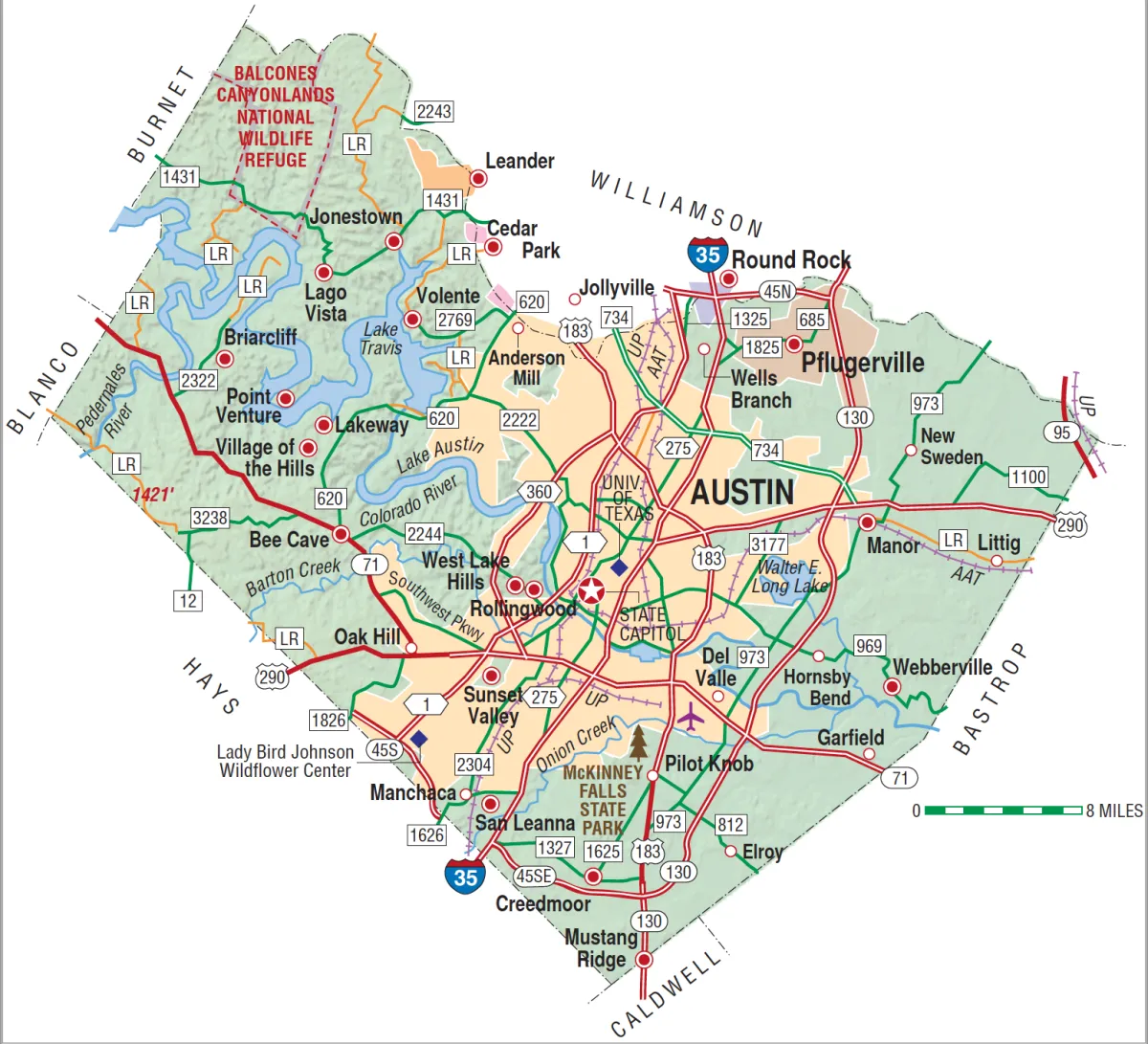 Photo: Travis County, via www.texasalmanac.com
The records showed that a single entity had quietly purchased twelve scattered properties over three years, all within a specific corridor. Morrison cross-referenced this with city planning documents and realized these parcels lined up perfectly with a proposed light rail extension that hadn't been publicly announced yet.
He bought three adjacent properties before the rail project became public knowledge. When the announcement hit two years later, his $180,000 investment was worth over $850,000.
"The information was sitting right there in plain sight," Morrison says. "Nobody was looking at the patterns."
How to Navigate the System
Accessing these records requires knowing where to look. Start with your county assessor's website — every county in America maintains some version of this database online. The interface usually looks like it was designed in 1995, but the information is current.
For federal lands, the Bureau of Land Management's General Land Office Records site contains detailed ownership data going back to the original land patents. This is where you'll find information about government land sales, mineral rights, and easements that can dramatically affect property values.
 Photo: Bureau of Land Management, via cdn11.bigcommerce.com
The real magic happens when you combine multiple databases. Cross-reference county records with federal data, then add in bankruptcy filings and corporate registrations. Suddenly you can see the complete financial picture behind any piece of land.
Why Real Estate Agents Stay Quiet
Here's the uncomfortable truth: most real estate agents either don't know about these databases or actively avoid mentioning them. When clients can research ownership and transaction history independently, it reduces the agent's information advantage.
Some agents do use these records — they're just not sharing the insights with buyers. They'll use transaction patterns to identify motivated sellers or undervalued properties, then structure deals that benefit their own investment portfolios.
"We call them 'pocket listings,'" admits one Dallas-area agent who requested anonymity. "When you know a property owner is facing financial pressure because you've seen their mortgage and tax records, you can approach them directly before the property ever hits the MLS."
The Information Most People Miss
The biggest opportunities often hide in the mundane details. Properties owned by elderly individuals frequently signal upcoming estate sales. Multiple properties with the same owner address might indicate a portfolio liquidation. Recent mortgage activity on previously debt-free land often suggests cash flow problems.
Tax assessment discrepancies are particularly revealing. When a property's assessed value is significantly lower than recent comparable sales, it might indicate:
- Assessment appeals that reduced the official value
- Structural or environmental issues affecting marketability
- Zoning restrictions that limit development potential
- Or simply outdated assessments that create buying opportunities
The Three-Hour Research Method
Most people assume this research takes weeks. It doesn't. With the right approach, you can analyze an entire neighborhood's ownership patterns in an afternoon.
Start by mapping out a target area — usually a few square miles around a location you're interested in. Pull the basic ownership data for every parcel, then sort by acquisition date. Look for clusters of recent activity or long-term ownership patterns that might signal change.
Next, cross-reference the ownership entities. When you see the same LLC or trust name appearing multiple times, trace those connections. Often you'll discover that what looks like random development is actually coordinated investment by someone with inside knowledge.
What This Means for Regular Homebuyers
You don't need to be an investor to benefit from this information. Before buying any property, spend an hour researching the surrounding ownership patterns. If you discover that several neighbors are facing mortgage stress or that a major developer is quietly assembling land nearby, that knowledge affects your decision.
The same database that shows you who owns the vacant lot next door can also reveal whether your potential new neighborhood is about to change dramatically. That information is worth far more than any real estate agent's opinion about "up-and-coming areas."
The data is sitting there waiting. The question is whether you'll use it before someone else does.