Deep in the federal budget, tucked away in the USDA's rural development division, sits one of America's best-kept housing secrets. While urban homeowners drain their savings for basic repairs, their rural counterparts can access grants up to $10,000 — sometimes more — for everything from new roofs to accessibility modifications. The program has been quietly operating for decades, yet most eligible Americans have no idea it exists.
The Program Nobody Talks About
The USDA Section 504 Home Repair program operates like a parallel universe to traditional home improvement financing. Unlike conventional loans that require perfect credit and substantial income, this program specifically targets low-income rural homeowners who need help maintaining their properties.
Here's what makes it remarkable: grants don't need to be repaid. Ever. For homeowners 62 and older who meet income requirements, the government will simply write a check to fix critical safety issues or remove health hazards. Younger homeowners can access low-interest loans at rates that would make any bank envious — sometimes as low as 1%.
The Eligibility Sweet Spot
The program targets households earning less than 50% of the area median income, but in many rural counties, that threshold is surprisingly generous. A family of four in rural Mississippi, for instance, might qualify with an annual income of $35,000. In parts of rural Montana, the limit stretches closer to $45,000.
The geographic requirement creates an interesting dynamic. While coastal cities grapple with housing affordability crises, small-town Americans in designated rural areas can access government-backed home improvements that would cost tens of thousands on the private market.
What Actually Gets Covered
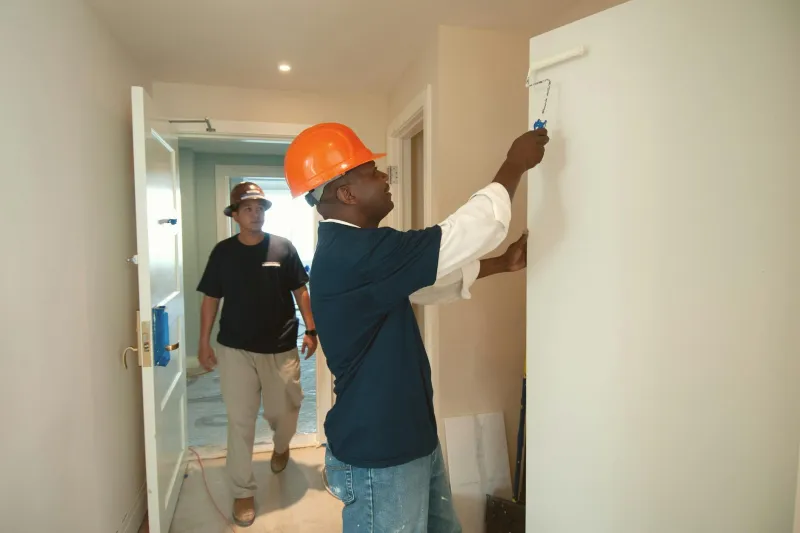
The program covers repairs that improve safety, remove health hazards, or increase accessibility. That includes:
- Roof replacement and structural repairs
- Plumbing and electrical updates
- Heating and cooling system repairs
- Weatherization improvements
- Wheelchair ramps and bathroom modifications
- Well and septic system repairs
One Wyoming rancher received $9,500 to replace his failing septic system — work that would have cost him $15,000 through private contractors. A retired teacher in rural Alabama got a new roof and updated electrical wiring, adding an estimated $18,000 in home value without spending a penny of her own money.
Why It Stays Under the Radar
Several factors keep this program invisible to most Americans. First, it's administered through local USDA offices rather than well-known agencies like HUD or the VA. Many rural development offices operate with skeleton crews and limited marketing budgets.
Second, the program doesn't generate much political buzz. Unlike flashy infrastructure projects or housing initiatives that make headlines, Section 504 quietly helps one household at a time. There are no ribbon cuttings or photo opportunities — just steady, unglamorous work that keeps rural homes habitable.
Third, many eligible homeowners assume they won't qualify for government assistance. The stereotype of government help being reserved for the extremely poor keeps middle-income rural families from even investigating their options.
The Application Reality
Applying requires patience but isn't particularly complex. Homeowners submit income documentation, property ownership proof, and descriptions of needed repairs. A USDA inspector evaluates the home and determines which improvements qualify for funding.
Processing times vary wildly by location. Some rural offices move applications through in 60 days; others take six months or longer. The variability often depends on staffing levels and local demand.
Interestingly, many successful applicants report learning about the program through word of mouth rather than official channels. A neighbor mentions their new roof was "government-funded," leading to curious conversations that reveal this hidden resource.
The Equity Angle
For homeowners who successfully navigate the program, the financial impact extends far beyond the immediate repairs. A $8,000 grant for a new roof doesn't just solve a leaking problem — it prevents water damage that could cost $20,000 or more down the line.
More importantly, it allows rural homeowners to build and maintain equity in areas where property values might not support traditional improvement loans. A bank might hesitate to lend $15,000 for home improvements on a $75,000 property, but the USDA program removes that barrier entirely.
Finding Your Local Connection
Each state maintains USDA Rural Development offices that handle Section 504 applications. The easiest entry point is the USDA's online office locator, though calling directly often yields faster results than navigating government websites.
Local housing nonprofits and community action agencies also maintain relationships with USDA staff and can help homeowners understand their options. Some even provide application assistance as part of their broader housing services.
The Bigger Picture
This program represents something uniquely American: a government benefit that actually works efficiently while staying completely invisible to most citizens. It's neither a massive entitlement nor a complicated tax scheme — just a straightforward tool that helps rural Americans maintain their homes and build wealth.
While urban housing costs dominate national conversations, programs like Section 504 quietly demonstrate that creative policy solutions already exist. They're just hiding in plain sight, waiting for people to discover them.
For the rural homeowners who do find out about it, the program often feels too good to be true. But sometimes, the best government programs are the ones nobody talks about.