The Deal That Sounds Too Good to Be True
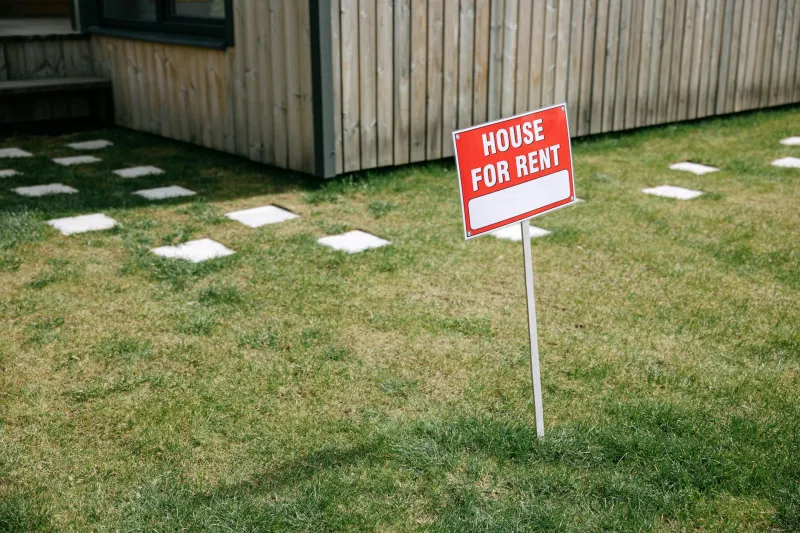
Imagine walking into a house, pulling out a crumpled dollar bill, and walking away as the new owner. It sounds like something from a fever dream or a late-night infomercial scam. But buried deep within the U.S. Department of Housing and Urban Development's bureaucracy is a program that has made this exact scenario possible for thousands of Americans.
The Dollar Home Initiative — a name that sounds almost too straightforward to be real — represents one of the federal government's best-kept secrets. While everyone else fights over overpriced listings and gets outbid by cash offers, a select group of buyers has been quietly scooping up properties for the price of a candy bar.
How a Bureaucratic Afterthought Became a Housing Goldmine
The program emerged from a simple problem: what do you do with foreclosed properties that nobody wants? When HUD takes possession of homes through foreclosure proceedings, they typically try to sell them at market rates. But some properties — whether due to location, condition, or just plain bad luck — sit on the government's books for months or years.
Rather than continue paying maintenance costs on empty houses, HUD created a pathway to transfer these properties to local governments and nonprofits for community development. The symbolic $1 price tag serves as a legal formality — you can't transfer real estate for free, but you can sell it for the smallest denomination of currency.
What started as an administrative convenience has quietly become one of the most dramatic wealth-building opportunities hiding in plain sight.
The Invisible Qualification Process
Here's where things get interesting: you can't just show up with a dollar and demand keys. The program operates through local governments and approved nonprofits, who then select qualified buyers based on specific criteria.
Most programs require buyers to:
- Meet income requirements (typically low to moderate income levels)
- Commit to living in the home as their primary residence for several years
- Agree to bring the property up to local housing codes within a specified timeframe
- Complete homebuyer education courses
The income requirements vary by location, but they're often more generous than people expect. In many areas, a family of four earning up to $50,000-$70,000 annually can qualify — hardly the poverty-level income many assume is required.
Why Your Real Estate Agent Never Mentioned This
Real estate professionals operate in a world of commissions and market-rate transactions. A $1 house sale generates essentially zero commission, so there's little financial incentive for agents to promote these programs. Additionally, many agents simply don't know these opportunities exist.
The properties also don't appear on traditional MLS listings or popular real estate websites. Instead, they're announced through local government websites, community bulletin boards, and nonprofit housing organizations — channels that most homebuyers never think to check.
This information gap has created a two-tier system: those connected to community development networks who hear about opportunities early, and everyone else who remains completely unaware.
The Geographic Lottery
Dollar homes don't appear everywhere. They're concentrated in specific types of communities:
Post-industrial cities like Detroit, Cleveland, and Baltimore have seen some of the most active programs. These areas often have large inventories of foreclosed properties and strong municipal interest in neighborhood revitalization.
Rural communities facing population decline sometimes offer dollar homes to attract new residents and prevent further deterioration of housing stock.
Targeted urban neighborhoods where local governments are implementing focused redevelopment strategies.
The availability is sporadic and unpredictable. A neighborhood might see a dozen dollar homes become available in one year, then nothing for the next three years.
The Hidden Costs Nobody Talks About
That $1 purchase price is just the beginning. Most dollar homes require significant renovation work — we're talking about properties that couldn't sell at any reasonable market price. Buyers typically need:
- $10,000 to $50,000 in immediate repairs to make the home habitable
- Additional funds for ongoing renovations and improvements
- Time and skill to manage contractor relationships and permit processes
- Financial cushion for unexpected problems (and there are always unexpected problems)
The total investment often reaches $30,000 to $100,000 by the time everything is completed. Still a bargain compared to traditional home purchases, but far from the $1 fairy tale the program name suggests.
Why This Opportunity Stays Under the Radar
The program's low profile isn't accidental. Local governments often prefer working with a smaller pool of committed, qualified buyers rather than managing overwhelming public interest. Mass publicity could create administrative nightmares and attract speculators who don't align with the program's community development goals.
Many municipalities also lack the marketing budgets or expertise to widely promote these opportunities. They rely on word-of-mouth networks and community organizations to identify potential buyers.
Finding Your Way In
For those determined to access this hidden market, the path requires patience and persistence:
- Contact your city's housing or community development department directly
- Connect with local nonprofits focused on affordable housing
- Monitor government websites and community bulletin boards regularly
- Attend city council meetings where housing initiatives are discussed
- Build relationships with community development professionals in target areas
The process demands more legwork than browsing Zillow, but the potential rewards justify the effort.
The Bigger Picture
The Dollar Home Initiative represents something larger than just cheap houses. It's a reminder that significant opportunities often exist outside mainstream awareness, hidden within bureaucratic structures that most people never think to explore.
While everyone else fights over the same overpriced properties in hot markets, a small group of informed buyers continues finding extraordinary deals through patience, research, and willingness to look where others don't. Sometimes the best opportunities are the ones nobody's talking about.