The $320 Patent Secret That Inventors Use to Protect Ideas Before Spending a Dime on Lawyers
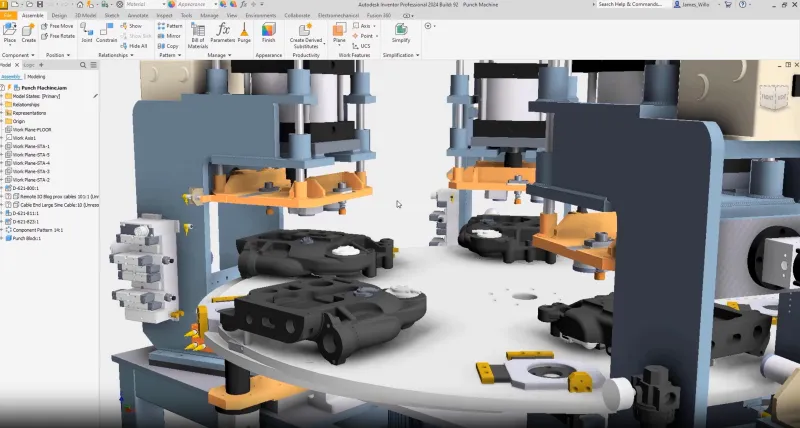
Photo: inventor working on idea notebook patent documents workshop, via www.cadac.com
Somewhere in a garage in Akron, Ohio, a retired machinist named Dale spent two years convinced that his invention idea wasn't worth protecting. "I figured patents were for companies," he said. "Not guys like me."
Then someone told him about the provisional patent application — and everything changed.
Most people who've ever had a genuinely good idea assume the path to protecting it involves expensive attorneys, mountains of legal paperwork, and a bill that clears $10,000 before you've even built a prototype. That assumption stops a lot of inventors cold. But the US Patent and Trademark Office has quietly maintained a low-cost filing option for decades that most regular people have never heard of — and it's surprisingly powerful.
What a Provisional Patent Actually Is
Here's the part most people don't know: a provisional patent application isn't a real patent. It's more like a legal placeholder. When you file one, you're not getting full patent protection — but you are securing a priority date, which in patent law is enormously important.
A priority date establishes that you had the idea first. In the US, patent rights go to whoever files first, not necessarily whoever invented first. So the moment you file a provisional application, you've staked your claim on that date. Anyone who comes along afterward with a similar idea is legally behind you in line.
The filing fee? For most independent inventors, it's currently $320. If you qualify as a micro-entity (which many solo inventors do), that drops to around $160.
You then have exactly 12 months to file a full, formal patent application — or to decide the idea isn't worth pursuing. Either way, you've bought yourself a year to develop the concept, shop it to manufacturers, pitch investors, or simply figure out if there's a real market.
Why Patent Attorneys Don't Lead With This
Here's where it gets a little interesting. If you walk into a patent attorney's office with an idea, there's a reasonable chance they'll skip past the provisional option fairly quickly. That's not necessarily sinister — full patent prosecution is genuinely complex, and attorneys want to do the job right. But there's also an obvious financial dynamic: a full patent engagement can run $8,000 to $15,000 or more in legal fees. A provisional application, especially one you file yourself, generates almost none of that.
The USPTO actually allows inventors to file provisional applications without an attorney. The requirements are less rigid than a formal application — you don't need formal patent claims, just a detailed written description of your invention and, ideally, drawings or diagrams. The bar for what counts as "sufficient" is lower, and the office won't examine the provisional at all.
That doesn't mean it's foolproof. A poorly written provisional that doesn't adequately describe the invention can cause problems when you later try to claim priority. But for someone who wants to test the waters before committing to legal costs, it's a genuine option.
How Makers and Side-Hustle Entrepreneurs Are Using This
The maker community — tinkerers, Etsy sellers, Kickstarter creators, garage inventors — has quietly embraced provisional patents as a first move before going public with anything.
The strategy typically looks like this: you file a provisional application, then immediately start showing the idea to potential partners, manufacturers, or investors with the phrase "patent pending" on all your materials. That phrase carries real psychological weight in negotiations. It signals seriousness. It tells a manufacturer that you've got a legal clock running and that they can't simply take your idea and run.
Some inventors use the 12-month window to run a crowdfunding campaign. If the campaign succeeds, they use the proceeds to fund a full patent application. If it fails, they've lost $320 and a few hours of paperwork — not a $12,000 legal engagement.
Kickstarter campaigns featuring "patent pending" products routinely outperform those without the designation, according to anecdotal reports from inventors who've done both. There's something about the phrase that signals the creator has skin in the game.
The Catch You Should Know About
The 12-month clock is unforgiving. If you file a provisional application and then miss the deadline to file a full application, you lose your priority date entirely. There are no extensions, no grace periods, no appeals. The provisional simply expires and you're back to square one — except now your idea has potentially been disclosed publicly, which can complicate future patent efforts.
So the provisional isn't a "set it and forget it" strategy. It's a starting gun, not a finish line.
There's also the question of quality. The USPTO won't reject a poorly written provisional, but it will matter later. Courts and examiners look at whether the original provisional actually supported the claims in the final application. Inventors who write vague or incomplete provisionals sometimes find their priority date challenged down the line.
For anything genuinely complex or commercially valuable, having an attorney review — even just review — the provisional before you file is worth considering. Some patent attorneys offer limited-scope services for exactly this purpose, which costs far less than full representation.
The Bigger Picture
What makes this little corner of patent law so interesting is what it says about access. The patent system was designed, at least in theory, to give individual inventors a path to protection. Somewhere along the way, the cost and complexity of full patent prosecution effectively priced out the solo inventor. The provisional application is the closest thing the system has to a re-democratization of that original promise.
For $160 to $320, you can tell the world your idea is yours — and buy yourself a year to figure out what to do next. Most people with genuinely good ideas never take that step, simply because they didn't know it existed.
Now you do.