The Railroad Land Nobody Owns — And How Americans Are Quietly Claiming Miles of It
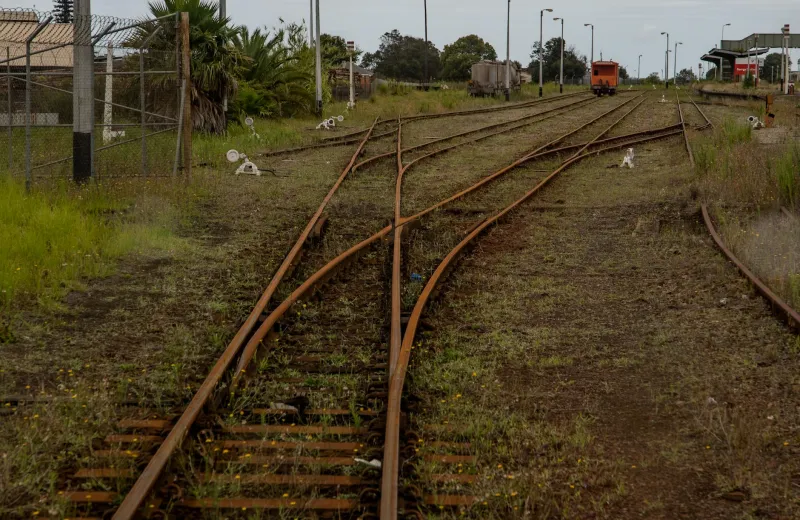
In 1995, Tom Henderson discovered something odd about his property line in rural Montana. According to his deed, he owned land on both sides of an old railroad track that hadn't seen a train in over twenty years. But the railroad right-of-way itself — a strip about 100 feet wide running straight through his ranch — technically belonged to nobody.
That's when Henderson stumbled into one of America's strangest land ownership puzzles: what happens to railroad property when the railroads disappear?
The Great Railroad Land Giveaway
To understand how millions of Americans ended up with potential claims to abandoned railroad land, you have to go back to the 1800s. The federal government gave railroad companies massive land grants to encourage westward expansion — an estimated 175 million acres total, roughly the size of Texas.
But here's the catch: most of these grants came with a condition. If the railroad company ever stopped using the land for railroad purposes, ownership was supposed to revert to the adjacent property owners or back to the government. It was a use-it-or-lose-it deal that made sense when railroads seemed permanent.
Fast-forward 150 years, and thousands of miles of track have been abandoned. But the legal process for reclaiming that land is so obscure that most people don't even know it exists.
How Right-of-Way Reversions Actually Work
When a railroad abandons a line, the land doesn't automatically go back to adjacent owners. There's a specific legal process called "right-of-way reversion," and it varies by state. Some require formal abandonment proceedings. Others automatically trigger reversion after a certain period of non-use. A few states make you go to court to prove abandonment.
The key is understanding what type of right-of-way the railroad originally had. Some railroads owned the land outright (called "fee simple" ownership). Others just had easements — the right to use land they didn't actually own. When an easement is abandoned, the land typically reverts to whoever owns the adjacent property.
But here's where it gets complicated: many property owners don't realize their deeds include these potential reversionary rights. They've been living next to "railroad property" for decades, never knowing they might have a legal claim to it.
The Stories Nobody Hears About
Tom Henderson in Montana isn't alone. Across the country, property owners have discovered they can claim abandoned railroad corridors through various legal processes.
In Ohio, the Brennan family discovered that an unused rail line running behind their farm had been officially abandoned by the railroad company in 1987. After three years of paperwork and legal fees, they successfully claimed a half-mile strip of land that added 12 acres to their property. The land is now worth more than $50,000.
In Texas, a group of ranchers pooled resources to hire a lawyer specializing in railroad abandonment cases. They collectively claimed over 20 miles of abandoned right-of-way, dividing it among the adjacent property owners. Some of that land is now being developed as recreational trails that generate lease income.
The Business Opportunities Hiding in Plain Sight
Some entrepreneurs have built entire businesses around abandoned railroad corridors. Rails-to-trails conversions are the most common — turning old rail lines into hiking and biking paths. But there are more creative approaches.
In Pennsylvania, a developer acquired rights to several miles of abandoned track near Pittsburgh and converted the corridor into a linear park with camping sites every few miles. He charges fees for overnight camping and day-use permits, generating steady income from land that was essentially worthless as unused railroad property.
Other opportunities include utility corridors (power lines, fiber optic cables), agricultural use, and even residential development in areas where the old rail line connects desirable neighborhoods.
The Research Most People Never Do
Claiming abandoned railroad land starts with research that most property owners never think to do. You need to determine:
- Whether the railroad actually owned the land or just had an easement
- When and how the line was abandoned (if it officially was)
- What your state's laws say about right-of-way reversion
- Whether anyone else has already claimed the land
County records offices often have the original railroad deeds and abandonment filings, but you have to know what to look for. Some states maintain databases of abandoned rail lines, but others require digging through decades of railroad commission records.
The most valuable resource is often the state transportation department or railroad commission, which typically oversees abandonment proceedings. But again, you have to know to ask.
Why Railroads Don't Always Fight Back
You might expect railroad companies to vigorously defend their land rights, but that's not always the case. Maintaining ownership of unused corridors costs money — property taxes, liability insurance, occasional maintenance to prevent legal problems.
For many railroads, abandoned corridors are more liability than asset. They're often happy to see adjacent property owners take responsibility for land that's not generating revenue and might pose legal risks.
That said, some railroad companies do fight reversion claims, especially if they think the land might have future value or if they want to sell it themselves. The legal process can take years and cost thousands in attorney fees.
The Government Land Grab Alternative
In cases where adjacent property owners don't claim abandoned railroad corridors, local governments sometimes step in. Many cities and counties have acquired old rail lines for public use — parks, trails, utility corridors, or future development.
This is actually how many rail-trails get created. The government acquires the abandoned corridor and converts it to public use. But if adjacent property owners move quickly enough, they can sometimes claim the land before the government gets involved.
The Legal Reality Check
Claiming abandoned railroad land isn't a get-rich-quick scheme. The legal process can be expensive and time-consuming, with no guarantee of success. You're often dealing with property records that go back over a century, unclear abandonment proceedings, and complex state laws.
But for property owners who already live adjacent to abandoned rail lines, the potential upside can be substantial. Even a narrow strip of land can add significant acreage to a property, provide access to previously landlocked areas, or create development opportunities.
The Opportunity Most Americans Never Consider
The broader point is that millions of Americans live near abandoned or underused railroad corridors without realizing they might have legal claims to that land. It's not free money sitting there waiting to be picked up, but it is a legitimate legal process that most people simply don't know exists.
As more rail lines are abandoned and railroad companies focus on their most profitable corridors, these opportunities are likely to increase. The key is understanding your state's laws, doing the research to determine what type of rights the railroad originally had, and being willing to navigate a legal process that most attorneys don't specialize in.
For Tom Henderson in Montana, claiming that abandoned railroad corridor added 15 acres to his ranch and eliminated a legal liability that had been sitting in limbo for decades. He's now grazing cattle on land that used to be off-limits, generating income from grass that was growing anyway.
It's not the kind of opportunity that makes headlines, but it's the kind of overlooked legal process that can quietly add value for people who know it exists.