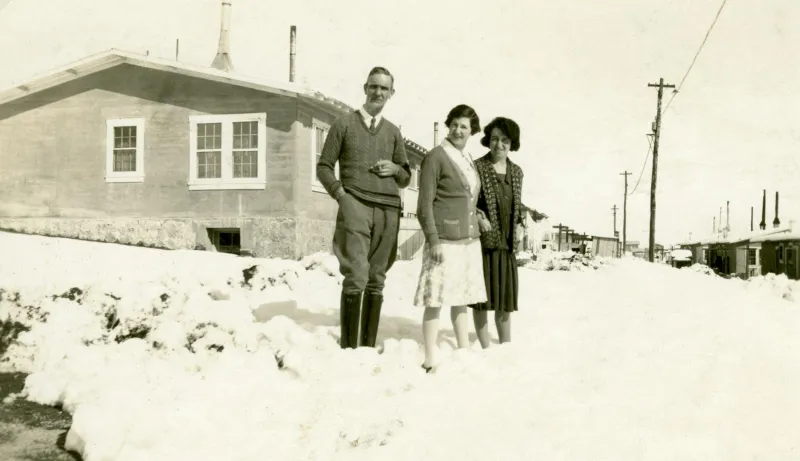
When Debt Was a Sin — And Prosperity Followed
In 1922, the residents of Amana, Iowa, lived under an unusual rule: borrowing money was forbidden. Not discouraged or frowned upon — completely prohibited by religious law. What happened next accidentally created one of America's most successful wealth-building communities, and modern financial researchers are still trying to understand how.
The Amana Colonies weren't trying to get rich. They were trying to live according to strict religious principles that viewed debt as a moral failing. But their solution to life without credit created an economic system so effective that neighboring towns couldn't figure out why Amana residents seemed immune to the financial struggles plaguing rural Iowa.
The System That Replaced Credit
Without access to loans, the Amana community developed what they called "cooperative provisioning" — an elaborate system of resource sharing that made individual wealth accumulation almost inevitable.
Here's how it worked: Instead of borrowing money to buy a plow, a farmer would contribute labor to the community's collective projects. Those contributions earned "credits" that could be used to access tools, materials, or services from other community members. No interest, no debt, no monthly payments.
But the system did something unexpected. Because everything was based on actual value creation rather than promised future payments, wealth accumulated rapidly within the community. People owned their homes outright, their tools were paid for, and surplus production could be saved or reinvested without servicing debt.
The Numbers That Caught Economists' Attention
By 1930, economic researchers from the University of Iowa noticed something remarkable about Amana. Despite the Great Depression devastating surrounding areas, Amana residents had:
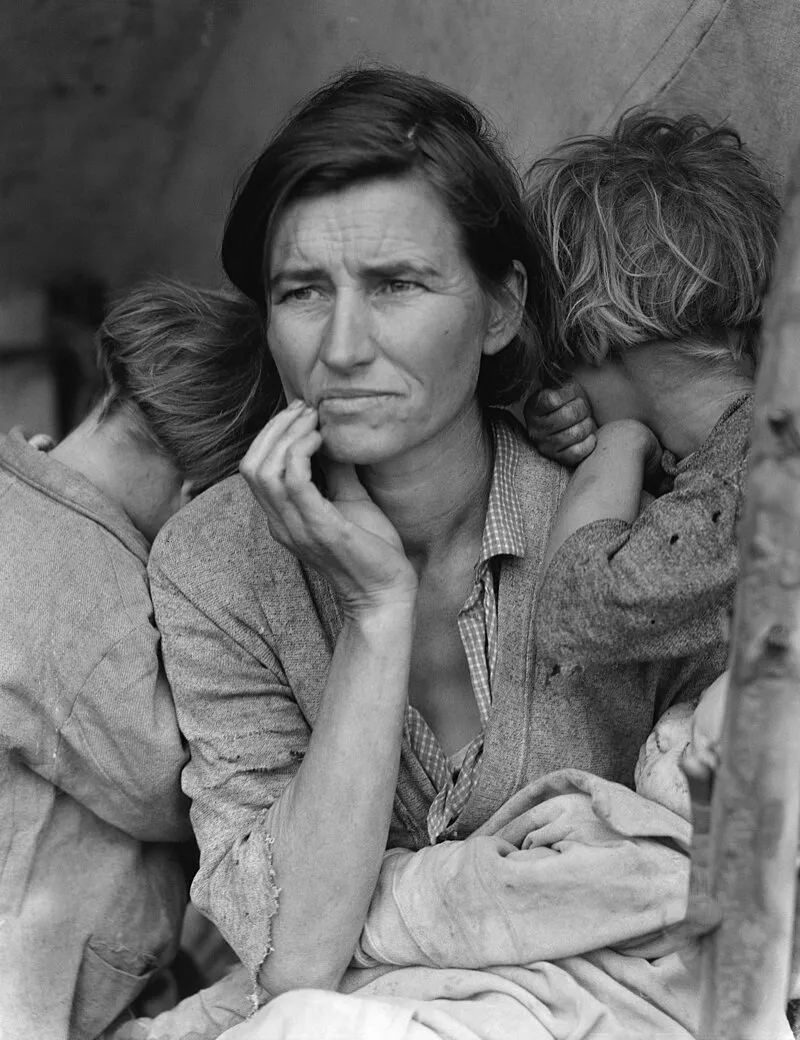 Photo of Great Depression, via Wikidata/Wikimedia Commons
 Photo: University of Iowa, via img.freepik.com
- 78% higher household savings than comparable Iowa communities
- Zero foreclosures or business failures
- 45% higher per-capita wealth accumulation over the previous decade
- Virtually no household debt of any kind
These weren't wealthy people to begin with. Most Amana residents were farmers and craftspeople with modest incomes. The difference was how they structured their financial lives around cooperation instead of credit.
The Accidental Wealth Formula
What the Amana community stumbled onto was a wealth-building system that modern financial advisors are beginning to recognize as remarkably sophisticated:
Pay cash for everything: Without access to credit, residents saved for purchases before making them. This eliminated interest payments and created a habit of delayed gratification.
Pool resources for major purchases: Instead of individual families taking on debt for expensive items like farm equipment, the community would collectively purchase and share assets.
Value creation over consumption: The cooperative system rewarded producing goods and services rather than consuming them. Surplus production naturally accumulated as wealth.
No financial intermediaries: Without banks taking spreads on loans and deposits, more money stayed within the community.
How They Handled Major Expenses
The most ingenious part of the Amana system was how they managed large purchases that typically require financing. When someone needed a house, the community would organize "building circles."
Here's how it worked: Ten families would commit to helping build houses for each member over ten years. Each year, one family would receive their house while the other nine contributed materials and labor. By year ten, everyone owned a debt-free home.
This same principle applied to business equipment, farm improvements, and even education costs. The community essentially created its own internal financing system without interest or debt.
The Modern Rediscovery
Today's financial independence movement has rediscovered many Amana principles without realizing their historical precedent. The concept of "buying only what you can afford" and "building wealth through cooperation" sounds revolutionary in our credit-driven economy, but Amana residents were living it a century ago.
Some modern communities are experimenting with updated versions of Amana-style cooperation:
- Tool libraries where neighbors share expensive equipment instead of buying individually
- Investment clubs that pool resources for real estate or business opportunities
- Skill-sharing networks that trade services without money changing hands
- Community-supported agriculture that spreads farming costs across multiple families
What Ended the Experiment
The Amana system lasted until the 1930s, when younger residents began leaving for opportunities in cities where credit was readily available. The community officially abandoned their communal economic system in 1932, transitioning to conventional private ownership and debt-based financing.
Within a decade, household debt levels in Amana matched those of surrounding communities. The wealth accumulation advantage disappeared as residents adopted standard American financial practices.
Lessons for Modern Wealth Building
While few people today would embrace Amana's complete rejection of credit, their core principles offer insights for modern wealth building:
Minimize debt servicing costs: Every dollar paid in interest is a dollar that can't build wealth. The Amana approach of saving first, buying second, eliminates this wealth drain.
Leverage cooperation over competition: Sharing major purchases or pooling resources can dramatically reduce individual costs while building community wealth.
Focus on ownership over access: The credit economy emphasizes accessing things you can't afford to own. The Amana model emphasized owning things outright, even if it took longer to acquire them.
Create value before consuming it: Instead of borrowing against future earnings, the Amana system required creating value first, then using that value for purchases.
The Irony of Accidental Prosperity
The Amana Colonies never intended to become a wealth-building case study. They were simply trying to live according to religious principles that happened to align with sound financial practices. Their "accidental" prosperity came from avoiding the wealth-destroying effects of debt and interest while maximizing the wealth-building potential of cooperation and ownership.
Modern Americans, drowning in credit card debt and mortgage payments, might find wisdom in a community that got rich by refusing to borrow money. Sometimes the most radical financial strategy is the simplest one: don't spend money you don't have, and work together instead of competing individually.
The Amana experiment ended almost a century ago, but their forgotten formula for building wealth without debt remains as relevant as ever.