
In February 2019, 125 randomly selected residents of Stockton, California began receiving $500 every month with absolutely no strings attached. No work requirements, no spending restrictions, no government oversight — just unconditional cash delivered via debit card.
 Photo: Stockton, California, via c8.alamy.com
Critics predicted disaster. Supporters hoped for transformation. What actually happened surprised nearly everyone involved, including the economists who designed the experiment.
The Unlikely Laboratory
Stockton wasn't chosen for its prosperity. The Central Valley city had filed for bankruptcy in 2012, struggled with high crime rates, and maintained a poverty rate nearly double the national average. If universal basic income was going to fail anywhere, conventional wisdom suggested it would be here.
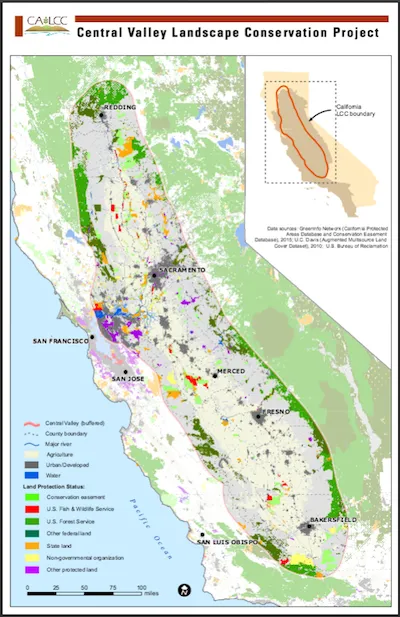 Photo: Central Valley, via climate.calcommons.org
Mayor Michael Tubbs, then 29 years old, partnered with the Economic Security Project to launch what would become the Stockton Economic Empowerment Demonstration (SEED). The program randomly selected participants from neighborhoods where the median income fell below $46,000 annually.
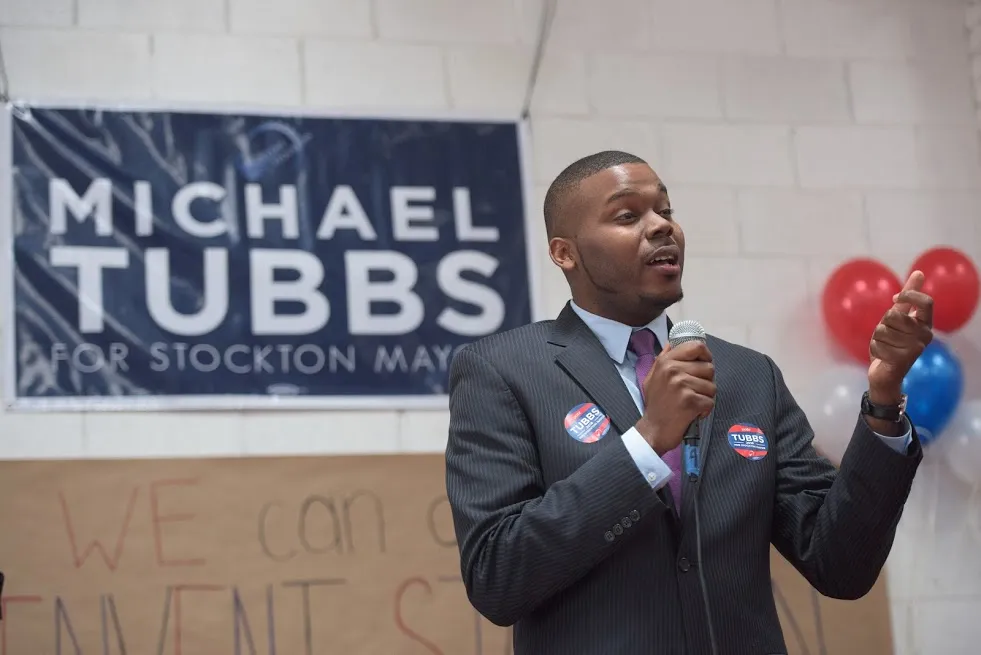 Photo: Mayor Michael Tubbs, via jodisolomonspeakers.com
Unlike welfare programs with complex eligibility requirements, SEED imposed just one rule: recipients had to live in Stockton. Everything else — how they spent the money, whether they worked, what they did with their time — remained entirely up to them.
The Spending Reality Check
Opponents of universal basic income often argue that unconditional cash payments will fund vice and dependency. The Stockton data told a different story.
Participants spent their monthly payments on:
- Food: 22%
- Utilities and other bills: 22%
- Transportation: 11%
- Recreation and entertainment: 11%
- General retail: 9%
- Medical expenses: 6%
Less than 1% went toward alcohol and tobacco — a finding that directly contradicted stereotypes about how low-income Americans handle unexpected money.
One participant, a single mother named Tomas Vargas, used her payments to cover car repairs that allowed her to keep her job. Another, Zhona Everett, paid down debt and eventually saved enough for a security deposit on a better apartment for her family.
The Employment Paradox
Perhaps the most surprising finding challenged fundamental assumptions about work incentives. Classical economic theory suggests that unconditional income reduces motivation to work — if you're getting money for free, why seek employment?
The Stockton experiment revealed the opposite. Full-time employment among participants increased from 28% to 37% during the program. Recipients used the financial stability to take risks they couldn't afford before: attending job interviews without worrying about lost wages, taking time to find better positions instead of accepting the first available option, or investing in transportation and work clothes.
Tanya Russell, a participant who had been unemployed for over a year, used her SEED payments to cover basic expenses while searching for work. The financial buffer allowed her to be selective, eventually landing a position that paid significantly more than previous jobs she'd been forced to accept out of desperation.
The Mental Health Dividend
Researchers tracked participants' stress levels, anxiety, and overall mental health throughout the program. The results revealed an unexpected connection between financial security and psychological well-being.
Participants showed measurable improvements in their ability to handle unexpected expenses — a key indicator of financial stress. Before SEED, only 25% of participants could cover a $400 emergency expense. After receiving payments for a year, that number rose to 45%.
More importantly, participants reported sleeping better, fighting less with family members, and feeling more optimistic about their futures. The psychological benefits extended beyond the recipients themselves — children in SEED families showed improved school performance and reduced behavioral problems.
What the Media Missed
Despite generating significant academic interest, the Stockton experiment received relatively little mainstream media coverage. When it was covered, stories often focused on political implications rather than the actual data.
This media silence meant that most Americans never learned about the program's outcomes. Even in California, surveys showed that fewer than 30% of residents were aware that the experiment had taken place, let alone what it had discovered.
The lack of coverage reflected broader challenges in discussing universal basic income. The concept cuts across traditional political lines in ways that make it difficult to categorize as purely liberal or conservative policy.
The Ripple Effects
SEED's success influenced policy discussions far beyond Stockton. Cities including Newark, Atlanta, and Gary, Indiana launched similar programs based on the Stockton model. The federal government began studying universal basic income more seriously, with several congressional representatives proposing pilot programs.
Private organizations also took notice. The tech industry, long interested in automation's potential to eliminate jobs, began funding UBI experiments as a potential solution to technological unemployment.
Yet despite this growing interest, most Americans remained unaware that such experiments were happening in their own country.
The Pandemic Connection
When COVID-19 struck in early 2020, SEED participants were uniquely positioned to weather the economic disruption. Having already established financial routines around unconditional payments, they adapted more quickly to unemployment benefits and stimulus payments than their neighbors.
Several participants reported that SEED had taught them how to budget irregular income — a skill that proved invaluable when work became unpredictable during lockdowns.
The pandemic also provided an unexpected control group. As the federal government distributed stimulus payments to all Americans, researchers could compare how SEED participants handled the money versus how the general population used similar unconditional payments.
The Political Aftermath
Mayor Tubbs lost his reelection bid in 2020, partly due to opposition to SEED and other progressive policies. His successor ended the program as scheduled but declined to pursue follow-up studies or permanent implementation.
This political shift highlighted one of universal basic income's biggest challenges: sustainability across changing administrations. Even successful programs can disappear when political winds shift.
The Broader Questions
Stockton's experiment answered some questions about universal basic income while raising others. The data clearly showed that unconditional cash payments don't create dependency or fund irresponsible spending among low-income recipients.
But larger questions remain unanswered. How would universal basic income work at scale? What would happen if payments were larger or lasted longer? How would broader economic effects — inflation, labor markets, tax policy — influence outcomes?
The Quiet Revolution
Perhaps most importantly, Stockton demonstrated that Americans can handle financial freedom responsibly when given the chance. Participants used their payments to solve problems, invest in their futures, and improve their families' lives.
This finding challenges fundamental assumptions about poverty, work, and human nature that influence policy discussions across the political spectrum. It suggests that the barriers to economic mobility often have more to do with lack of resources than lack of motivation.
For a brief moment in a struggling California city, 125 families experienced what life might look like with genuine economic security. The results were quietly revolutionary — if anyone had been paying attention.