America's Hidden Trail Gold Rush: How Defunct Railway Lines Are Creating Unexpected Fortunes for Property Owners
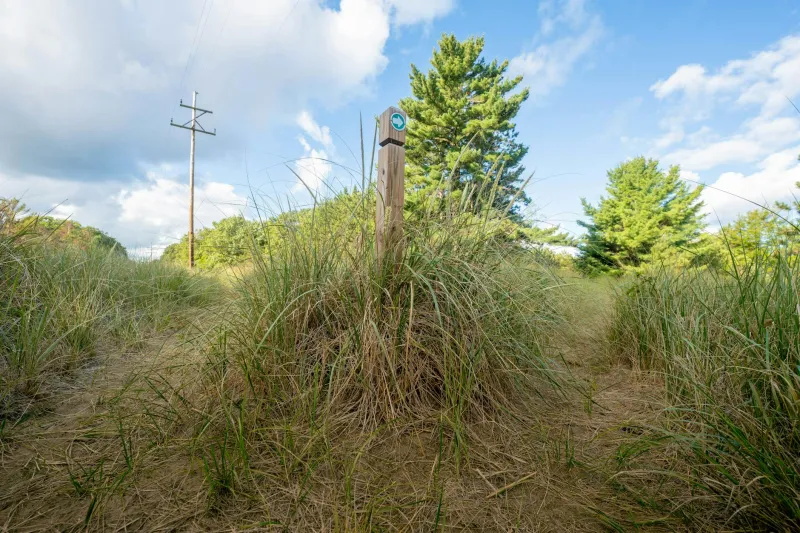
The Trail That Wasn't Supposed to Exist
In 1994, Jim Morrison discovered something peculiar about the hiking trail that ran behind his Vermont property. According to his deed, that land should have belonged to him. The railroad that originally owned it had been defunct for decades, and under normal circumstances, abandoned railroad property reverts to adjacent landowners.
But this wasn't normal circumstances. This was "railbanking" — a little-known federal program that has quietly reshaped property rights across America while creating unexpected windfalls for those who understand how it works.
Morrison spent the next eight years in legal battles, ultimately winning a settlement that not only confirmed his ownership of the disputed land but also netted him a substantial payout from the trail organization. His case became a template for similar disputes nationwide.
The Legal Loophole That Built America's Trail System
Most people assume that when a railroad shuts down, the land simply goes back to whoever owned it before the tracks were built. That's how property law typically works — easements expire when they're no longer used for their intended purpose.
But in 1983, Congress passed an amendment to the National Trails System Act that changed everything. The "railbanking" provision allows defunct rail corridors to be converted into trails while legally preserving the original railroad easements.
In theory, this means the railroad could come back someday and reclaim the right-of-way for trains. In practice, it's created a legal gray zone that has generated thousands of property disputes and, for those who know how to navigate it, significant financial opportunities.
How the System Actually Works
When a railroad wants to abandon a line, it typically has two options: formal abandonment (where the land reverts to adjacent owners) or railbanking (where a trail organization takes over maintenance while preserving future rail rights).
Railbanking sounds bureaucratic and boring, but it's actually quite controversial. Property owners who thought they would eventually own the land next to their homes instead find themselves with permanent trail neighbors. Meanwhile, trail organizations get access to ready-made corridors without having to purchase land or navigate complex title issues.
The catch? The original property transfers that created these railroad easements often happened 100+ years ago, and the documentation is frequently incomplete or ambiguous. This creates opportunities for disputes — and for those who do their homework, potential windfalls.
The Research Advantage Most People Miss
Here's what property owners near rail-trails often don't realize: the legal status of these corridors is frequently more complex than it appears. Many railroads obtained their original rights-of-way through a patchwork of purchases, condemnations, and grants that may not have included the broad easement rights that trail organizations now claim.
Savvy property owners have learned to research these historical transfers. County deed records, railroad commission archives, and even old survey maps can reveal discrepancies between what the railroad actually owned and what trail organizations assume they inherited.
Take the case of the Allegheny River Trail in Pennsylvania. Several property owners discovered that the original railroad easement was specifically limited to "railroad purposes only" and expired when train service ended. After years of legal wrangling, they successfully reclaimed portions of the corridor and negotiated settlements for the remainder.
 Photo: Allegheny River Trail, via i.pinimg.com
The Financial Upside Hidden in Plain Sight
Beyond outright ownership disputes, railbanking creates other financial opportunities that most people overlook. Trail organizations need ongoing access for maintenance, emergency vehicles, and utilities. Property owners who control access points or adjacent parcels often find themselves in strong negotiating positions.
Some have negotiated annual access fees, others have sold easements for trail-related utilities, and a few have even developed trail-adjacent businesses like bike rentals or parking facilities.
In Montana, a rancher whose property surrounded a rail-trail access point parlayed his strategic location into a contract to provide trail maintenance services. What started as a property dispute became a steady income stream.
The Documentation Game
Success in these situations almost always comes down to documentation. The property owners who win are those who invest time in understanding the historical record of their land.
This means digging through county courthouse records, railroad archives, and historical surveys. It means understanding the difference between fee simple ownership and easement rights. It means learning how property law worked in the 1800s versus today.
It's not glamorous work, but it's often lucrative. Property disputes involving rail-trails regularly settle for five or six figures, and that's before considering the long-term value of reclaimed land.
Why This Stays Under the Radar
Most Americans never hear about railbanking disputes because they're typically settled out of court. Trail organizations prefer to negotiate rather than risk precedent-setting legal defeats, and property owners often prefer cash settlements to years of litigation.
The media coverage tends to focus on the community benefits of trails rather than the complex property law issues underneath. Local newspapers might mention that a new trail is opening, but they rarely dig into the legal mechanics of how it came to exist.
Meanwhile, the property owners who benefit from understanding these issues tend to be quiet about their success. Why advertise a strategy that depends partly on others not knowing it exists?
The Modern Trail Boom
Railbanking isn't slowing down — it's accelerating. As more railroads abandon unprofitable lines and communities seek recreational amenities, thousands of miles of new rail-trails are created each year.
Each new trail represents dozens of adjacent properties where owners might have stronger rights than they realize. The Rails-to-Trails Conservancy estimates there are over 24,000 miles of rail-trails in the United States, with thousands more miles in development.
For property owners willing to do their homework, this represents an ongoing opportunity that most people will never discover.
What You Can Actually Do
If you own property adjacent to a rail-trail, start with your county courthouse. Pull the deed records for your property and trace the history of the railroad easement. Look for language that limits the easement to specific purposes or includes reversion clauses.
Pay particular attention to how the railroad originally acquired the land. Purchases typically create stronger easement rights than condemnations, and grants often include specific limitations that trail organizations may be exceeding.
Consider hiring a title attorney if you find anything questionable. The cost of professional legal research is often justified by the potential upside of these disputes.
The Quiet Revolution
Railbanking represents something uniquely American: a federal program that inadvertently created thousands of individual opportunities for those savvy enough to understand how it works. It's infrastructure policy meets property law meets local history, wrapped up in a system that most people never think about.
For the property owners who take the time to understand it, though, it's proven to be one of the most reliable paths to unexpected financial windfalls that most Americans will never discover.