The Forest Service Program That Quietly Pays Homeowners $200 Per Acre to Do Nothing
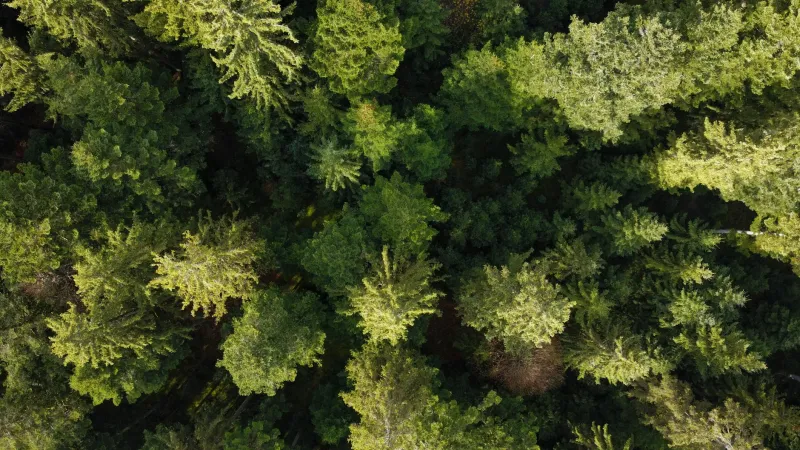
Deep in the bureaucracy of the United States Department of Agriculture sits a program that sounds too good to be true: the government will pay you to not cut down trees you probably weren't planning to cut down anyway.
It's called the Conservation Reserve Program's Forest Buffer Initiative, and it's been quietly writing checks to rural landowners for over two decades. The catch? Almost nobody knows it exists.
The Program Hiding in Plain Sight
While farmers know about CRP payments for retiring cropland, the forest component flies completely under the radar. The program targets privately owned woodland — everything from mature oak groves to pine stands to mixed hardwood forests.
Landowners who enroll receive annual payments ranging from $150 to $400 per acre, depending on their location and forest type. In exchange, they agree not to harvest timber, develop the land, or significantly alter the forest ecosystem for 10 to 15 years.
"I stumbled across this completely by accident," says Tom Bradley, who owns 47 acres of mixed hardwood forest in rural Tennessee. "I was at the county USDA office asking about something else entirely, and a clerk mentioned it in passing. I've been getting $8,500 a year for the past six years just for leaving my woods alone."
Why the Secrecy?
The program's invisibility isn't intentional — it's structural. Unlike crop insurance or disaster relief, forest conservation doesn't have a powerful lobbying constituency. Timber companies aren't interested in programs that discourage harvesting. Environmental groups focus on public lands. Small woodland owners don't even know they're a category.
Most county USDA offices don't actively promote the program because they're swamped with crop-related work. "We'll help anyone who asks," says Janet Morrison, who runs the USDA office in Putnam County, Georgia. "But we don't have the staff to go knocking on doors telling people about programs they haven't heard of."
The result is a program with money available and relatively few applicants.
Who Actually Qualifies
The eligibility requirements are surprisingly broad:
- You own at least 10 acres of forest (some areas allow as little as 5)
- The land has been forested for at least 5 years
- Your forest provides environmental benefits (water quality, wildlife habitat, erosion control)
- You're willing to sign a 10-15 year contract
That's it. You don't need to be a farmer. You don't need agricultural income. You just need trees on land that the government considers environmentally valuable.
The "environmental benefits" criterion sounds restrictive, but it's interpreted generously. Forests near streams or rivers qualify for water quality protection. Woodland that provides wildlife habitat qualifies for biodiversity conservation. Forest on slopes qualifies for erosion control.
"If you've got trees and they're doing what trees naturally do — cleaning air, preventing erosion, providing habitat — you probably qualify," explains Dr. Sarah Chen, a forestry extension specialist at the University of Kentucky.
 Photo: University of Kentucky, via img0.etsystatic.com
The Payment Math
Payment rates vary dramatically by region and forest type. A pine plantation in Alabama might earn $150 per acre annually, while a mature hardwood forest in Pennsylvania could bring $350.
The USDA calculates payments based on local land rental rates and the environmental value of keeping the forest intact. Areas with high development pressure typically offer higher payments.
Some examples from recent contracts:
- Mixed hardwood in Vermont: $280/acre
- Pine forest in North Carolina: $190/acre
- Oak woodland in Missouri: $220/acre
- Maple forest in Michigan: $240/acre
The Enrollment Process Nobody Talks About
Getting enrolled requires paperwork, but it's not complicated. You'll need:
- A forest management plan (the USDA can help you get one)
- Soil maps and aerial photos (the county office provides these)
- An environmental assessment
- A signed contract
The whole process typically takes 3-6 months. Once approved, payments arrive annually, usually in October.
"The hardest part was just figuring out who to talk to," says Maria Santos, who enrolled 23 acres of oak forest in rural Ohio. "Once I found the right person at the county office, everything moved pretty smoothly."
What You Can and Can't Do
The restrictions are less onerous than you might expect. You can:
- Hunt on your land
- Harvest nuts, berries, or maple syrup
- Build trails for personal use
- Remove dead or diseased trees
- Conduct limited timber thinning with approval
You can't:
- Clear-cut or significantly harvest timber
- Develop the land for housing or commercial use
- Graze livestock in the forest
- Use pesticides without approval
The Early Exit Option
If you need to get out of the contract early, you can — but you'll pay a penalty. Typically, you'd have to repay some portion of the money you've received, calculated on a sliding scale.
"I had to break my contract after eight years because of a family situation," explains Robert Kim, a landowner in rural Virginia. "I paid back about 30% of what I'd received, but I still came out ahead financially."
Why This Matters Now
With development pressure increasing across rural America, programs like this serve as a financial incentive to keep forests intact. Climate change has made forest conservation more valuable than ever — trees sequester carbon, moderate local temperatures, and provide crucial wildlife habitat.
For landowners, it's essentially a subsidy for doing nothing. "I was never going to cut down my trees anyway," says Bradley. "This just pays me for a decision I'd already made."
Finding Out More
If you think you might qualify, your first stop should be your county USDA Natural Resources Conservation Service office. Don't call the main USDA number — go straight to the local office.
Come prepared with basic information about your property: acreage, forest type, and location. The staff can tell you quickly whether your land might qualify and what the payment rates are in your area.
"The worst thing that can happen is they say no," points out Santos. "The best thing is you discover you're sitting on a income stream you never knew existed."
For many rural landowners, that's exactly what this program represents — money for maintaining land the way they wanted to maintain it anyway. It's just that almost nobody knows to ask about it.