When Main Street Said No to McDonald's — And Accidentally Got Rich
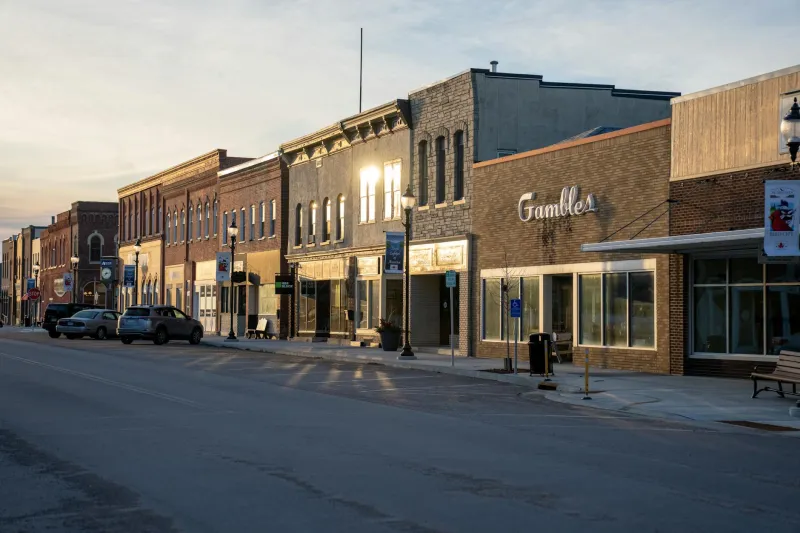
In 2004, the small town of Calistoga, California, did something that made business school professors scratch their heads. They passed an ordinance essentially banning chain restaurants and formula retail stores from their downtown core. Starbucks was out. McDonald's was out. Even Subway couldn't get a foothold.
What happened next surprised everyone, including the town council that passed the measure.
The Accidental Economic Experiment
Calistoga wasn't trying to become a case study in local economics. They just wanted to preserve the character of their historic downtown. But by keeping out the chains, they inadvertently created something most American towns have been trying to achieve for decades: a thriving, profitable Main Street.
Within a few years, downtown property values were climbing faster than comparable areas. Local businesses were reporting higher-than-expected revenues. And perhaps most surprisingly, the town was attracting tourists specifically because it felt authentic in a way that most American downtowns had lost.
The Towns That Followed Suit
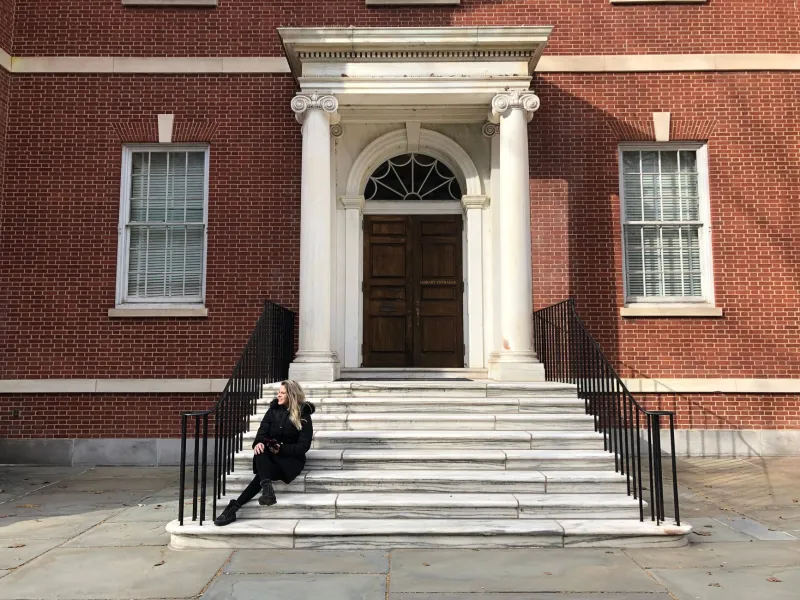
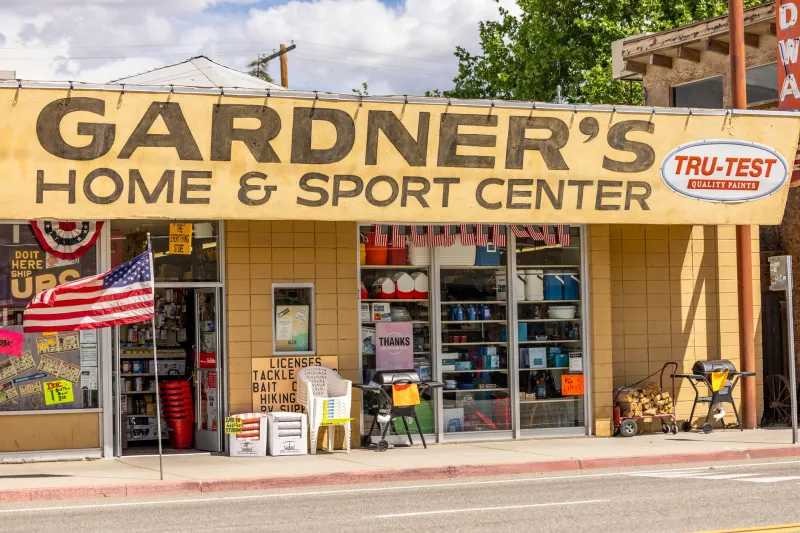
Calistoga wasn't alone. Carmel-by-the-Sea, California, has maintained similar restrictions for decades. Sedona, Arizona, keeps chains out of certain districts. Even smaller places like Block Island, Rhode Island, and Martha's Vineyard have found ways to limit formula businesses.
 Photo: Block Island, Rhode Island, via www.rgcbuildingsupplies.co.uk
 Photo: Carmel-by-the-Sea, California, via www.carmelcalifornia.com
Each town had different motivations — preserving historic character, maintaining tourism appeal, or just keeping out what residents saw as visual clutter. But they all stumbled onto the same economic phenomenon: when you remove chains from the equation, local businesses don't just survive — they often thrive in ways that economists didn't predict.
Why the Numbers Don't Lie
The conventional wisdom says chain stores bring efficiency, lower prices, and economic activity. And in many contexts, that's true. But these chain-free towns discovered something different happening in their local economies.
First, money stayed local. When someone bought coffee at a locally-owned café instead of Starbucks, more of that revenue stayed in the community. The café owner lived locally, banked locally, and often sourced from other local businesses. The multiplier effect was stronger than anyone anticipated.
Second, the businesses that did succeed in these environments tended to be more profitable per square foot. Without direct competition from deep-pocketed chains, local restaurants and retailers could charge prices that actually supported their operations. They weren't getting undercut by corporations willing to lose money in small markets to maintain market share.
The Tourism Factor Nobody Saw Coming
Here's where it gets interesting: these towns accidentally created something that became a tourist draw. In an America where every highway exit looks identical, places that felt genuinely local became destinations.
Carmel's fairy-tale cottages housing independent galleries and restaurants. Calistoga's wine country charm without the corporate intrusion. Block Island's throwback general stores and family-owned restaurants. People started visiting specifically because these places felt different from everywhere else.
The tourism revenue often exceeded what the towns would have gained from allowing chains. A family might drive past a dozen McDonald's to eat at a quirky local diner that they could only find in that specific town. The uniqueness became the economic engine.
The Business Owner's Perspective
Talk to business owners in these communities, and you hear stories that don't match the typical struggling Main Street narrative. Without a Starbucks down the street, the local coffee shop could build a real customer base. Without a chain restaurant offering $5 meals, the family-owned bistro could charge prices that actually covered their costs.
Maria Santos, who opened a bakery in Calistoga in 2008, puts it simply: "I don't have to compete with someone who can afford to lose money for two years just to drive me out of business. I just have to make good bread and treat people well."
That's not to say running a business in these towns is easy. But the competitive landscape is fundamentally different when you're not up against corporations with massive marketing budgets and supply chain advantages.
The Real Estate Ripple Effect
Property owners in these chain-free districts often see something unexpected: commercial real estate that holds its value better than comparable areas. When every downtown looks the same, there's not much reason for businesses or consumers to choose one over another. But when a downtown has genuine character and economic vitality, both commercial and residential property values tend to reflect that.
In Calistoga, downtown commercial spaces command rents that would seem impossible for a town of 5,000 people. But businesses can afford those rents because they're not just competing on price — they're offering something visitors can't get anywhere else.
The Challenges Nobody Talks About
This approach isn't without trade-offs. Residents sometimes have to drive farther for certain services or pay more for everyday items. The local hardware store might not have the selection of a Home Depot. The independent bookstore might not stock bestsellers as quickly as Barnes & Noble.
Some residents chafe at what they see as artificial restrictions on business. And there's always the risk that limiting competition could lead to complacency among local businesses.
Why This Model Is Spreading Quietly
Despite the challenges, more communities are experimenting with formula business restrictions. It's not always a complete ban — sometimes it's design requirements that make chain stores blend in better, or zoning that limits where they can locate.
The key insight from places like Calistoga is that economic vitality and chain stores aren't necessarily connected. In fact, in certain contexts, they might be inversely related. When local businesses can compete on something other than price and convenience, they often discover advantages that corporate competitors can't replicate.
The Lesson for Other Communities
The towns that banned chains didn't set out to prove an economic theory. They just wanted to preserve something they valued about their communities. But in doing so, they demonstrated that there are multiple paths to economic prosperity.
For communities wondering whether to allow another chain restaurant or big-box store, these examples offer a different framework for thinking about economic development. Sometimes the path to prosperity isn't about attracting the biggest businesses — it's about creating conditions where smaller, local businesses can flourish.
The chain-free towns discovered that authenticity, when it's genuine, can be more economically powerful than efficiency. And in an increasingly homogenized America, that authenticity is becoming more valuable, not less.